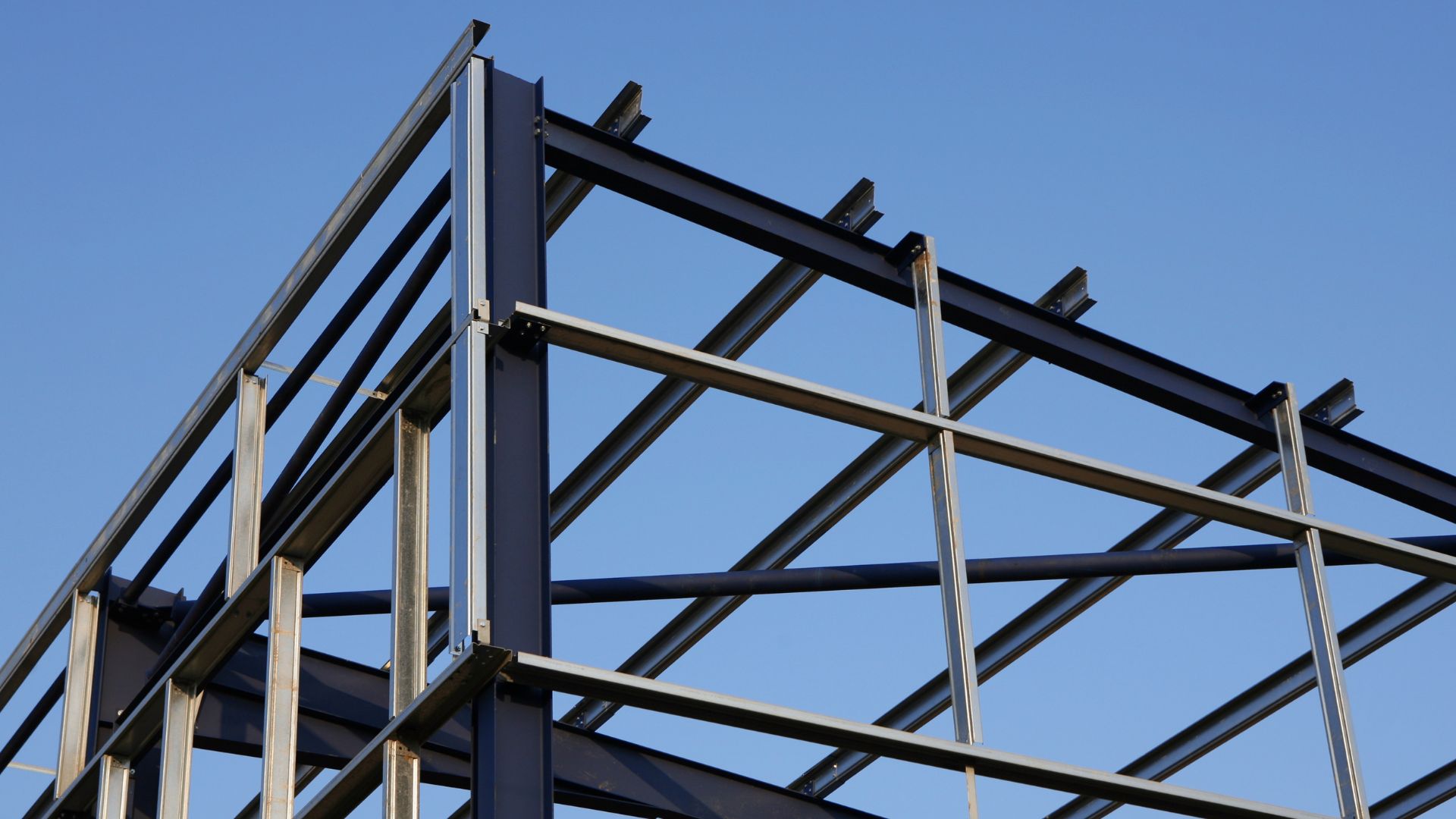
Summary: Meeting wind load requirements for structural steel on Florida’s coast demands proper material selection, ASTM certifications, and partnership with knowledgeable suppliers who understand local building codes. Spirit Metals provides the structural steel grades, mill test certificates, and engineering expertise that coastal contractors need to pass inspections and build structures capable of withstanding hurricane-force winds. We stock hard-to-find specialty materials, offer fabrication services, and deliver throughout Florida, with the technical support that prevents costly delays and redesigns.
Florida’s Wind Load Requirements for Structural Steel
The Florida Building Code references ASCE 7 (detailing minimum wind load requirements for structural steel and associated criteria for buildings and structures) as the governing standard for wind load calculations. Coastal regions typically require design speeds between 140 and 170 mph, while the High Velocity Hurricane Zone (HVHZ) covering Miami-Dade and Broward counties demands even more rigorous standards exceeding 160 mph. Your project’s specific requirements depend on several factors: distance from the coastline, exposure category, building height, and your structure’s risk classification.
Risk categories matter significantly when you’re selecting structural steel for coastal projects. A standard commercial building falls under Risk Category II, but if you’re constructing a facility with large occupant loads or a facility like a hospital or emergency response center, you’re looking at Category III or IV requirements. Higher risk categories mean you need structural steel with enhanced load-bearing capacity and potentially different grade specifications; this is where many contractors run into problems. Some folks assume all structural steel is created equal, but the grade, certification, and testing documentation make all the difference when your building inspector reviews your materials.
Why Material Selection and Certification Matter
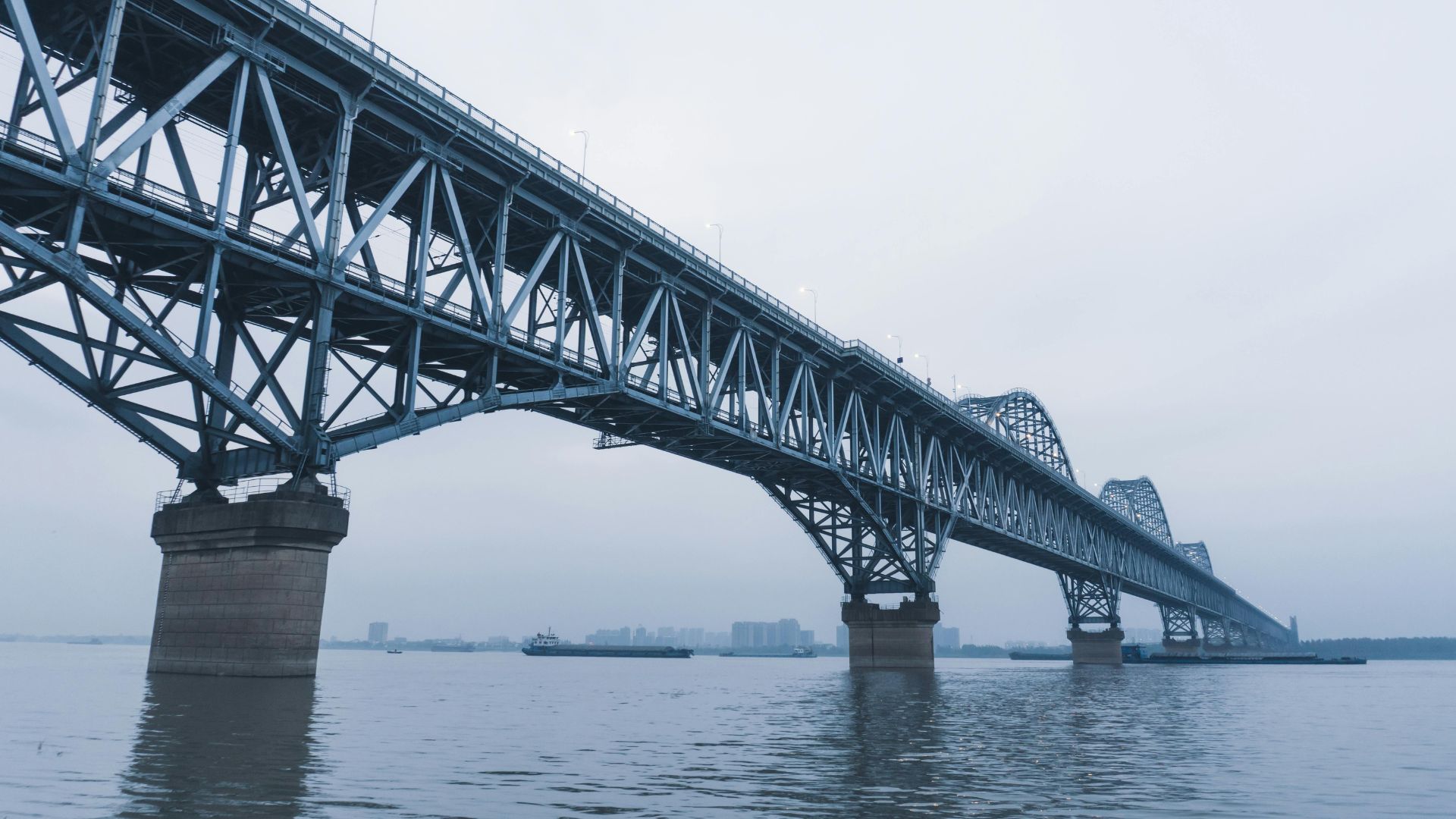
You can’t go ordering generic beams and hope they meet wind load requirements for structural steel. You need ASTM-certified materials with proper documentation that demonstrates compliance. A36 steel works for many applications, but coastal projects often require A572 high-strength low-alloy steel or A992 structural steel for beams and channels that must resist extreme wind forces. For bridge construction and DOT projects, you need A709 steel that meets specific fracture-critical testing requirements. The challenge is finding these materials quickly, with proper certifications, and from a supplier who understands how they’ll be used in your specific application.
Many suppliers can deliver structural steel, but few provide the engineering support and material expertise that coastal projects demand. You need someone who can review your project specifications, recommend the appropriate grades, and ensure you’re not over-specifying or under-specifying. When you’re working on a bridge project in Jacksonville or a manufacturing facility in Fort Myers, you need access to specialty grades and hard-to-find materials that big-box suppliers simply don’t stock. You also need a supplier who understands that time matters. Hurricane season doesn’t wait for back-ordered materials, and construction schedules have no room for delays.
Related: Load Bearing Basics: How Beam Shape Impacts Strength
The Spirit Metals Advantage for Coastal Construction Projects
At Spirit Metals, we’ve built our reputation on understanding exactly what Florida coastal projects require. With over 40 years of combined experience in steel supply, construction, and engineering, we know how to meet and exceed wind load requirements for structural steel. Every piece of steel we sell comes with mill test certificates and the documentation your building inspector requires.
We understand that a project in Miami’s HVHZ has different requirements than a facility in central Florida, and we stock our materials accordingly. When you need specialty alloys for marine applications or hard-to-find grades for specific engineering requirements, we can source them quickly.
As a bonus, our fabrication and processing capabilities mean you can get custom lengths, drilling, and preparation done right here in Florida, reducing lead times and ensuring precision. We serve the entire state, from Tampa Bay to Fort Myers, with delivery that’s almost always free. While other suppliers charge premium freight costs or make you wait weeks for materials, we maintain inventory levels that keep your project moving forward.
Practical Steps to Ensure Compliance
Start your project by working with a structural engineer who understands Florida’s wind load requirements and can specify the exact grades and dimensions you need. Your engineer should reference the current edition of ASCE 7 adopted by the Florida Building Code and account for your project’s specific exposure category and risk classification. Once you have specifications, don’t wait until the last minute to source your materials. Contact your steel supplier early in the planning process to verify availability, review specifications, and ensure you’re ordering materials with the proper certifications.
When you receive your structural steel, verify that every piece comes with proper documentation. Mill test certificates should show the material grade, chemical composition, mechanical properties, and heat number for traceability. You should also verify that your supplier can provide engineering support if questions arise during construction. Having access to technical expertise when you need it prevents costly mistakes and keeps your project on schedule.
Common Challenges and How to Avoid Them
One of the biggest mistakes contractors make is assuming that any supplier will meet Florida’s wind load requirements for structural steel. You might save a few dollars per ton by ordering from an out-of-state supplier, but when your materials arrive without proper certifications or in the wrong grades, those savings disappear quickly. Permit rejections, redesign costs, and construction delays add up fast. You need a supplier who knows Florida’s requirements before you place your order, not one who learns about them after your materials fail inspection.
Another common challenge is sourcing specialty materials. Coastal projects often require weathering steel like A588 Corten for exposed applications, or marine-grade stainless steel for structures near saltwater. Standard suppliers don’t stock these materials and can’t source them quickly. When your project timeline depends on getting the right materials at the right time, you need a supplier with the connections and expertise to find what you need.
Why Local Expertise Makes the Difference
At Spirit Metals, we specialize in hard-to-find materials and specialty alloys precisely because we know Florida contractors face these challenges regularly. Our network of suppliers and our inventory management system ensure we can deliver what you need when you need it; but we don’t just stop there. Our commitment to Florida goes beyond just supplying materials. We’re invested in this state’s infrastructure, commercial development, and manufacturing growth. When you succeed, we succeed, and that’s why we focus on long-term relationships rather than completed transactions.
We offer project management support, delivery coordination, and technical consultation because we want your project to exceed expectations. Whether you’re a general contractor building a commercial facility in Tampa or a manufacturer expanding your operations in Fort Myers, we’re here to support your success with the materials, expertise, and service you deserve.
You May Also like: Why Steel’s Extended Life-Cycle Makes It the Most Sustainable Building Material
Make Sure You Meet Wind Load Requirements for Structural Steel with Help from Spirit Metals
Don’t let material sourcing become the weak link in your next coastal construction project. Whether you’re planning a commercial building, bridge, manufacturing facility, or infrastructure project anywhere along Florida’s coast, Spirit Metals has the structural steel, specialty alloys, and technical expertise you need to meet wind load requirements and exceed expectations. Our team is ready to review your steel specifications and ensure you have everything you need for a successful project.
Reach out to us today for a detailed quote and consultation. Let us show you why contractors, fabricators, and engineers throughout Florida trust Spirit Metals for their most demanding coastal projects. Your success is our priority.