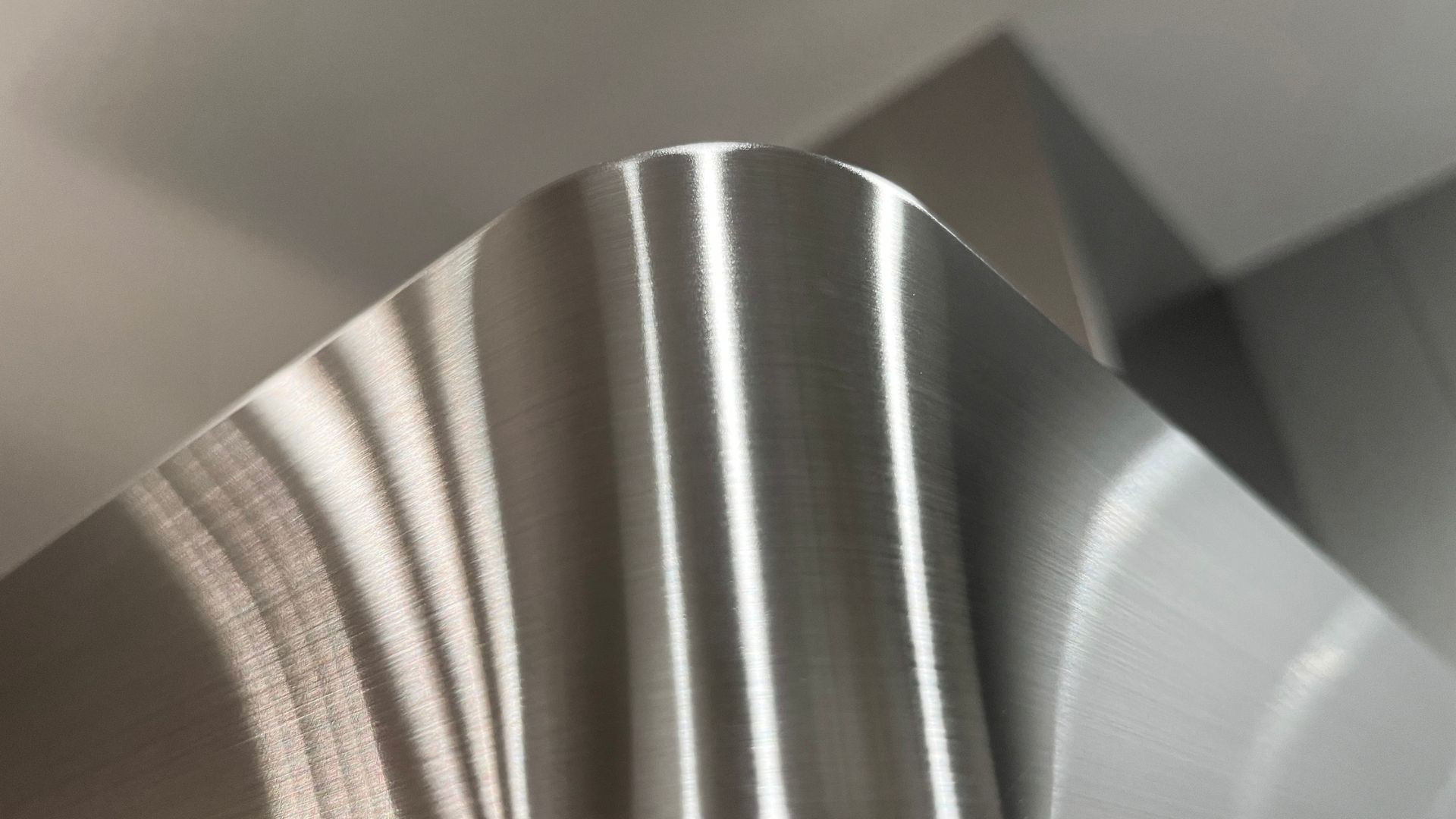
Summary: Choosing between stainless steel vs carbon steel for Florida’s coastal construction projects directly impacts your structure’s ability to withstand hurricane-force winds and corrosive environments. Carbon steel offers excellent strength for wind-load applications but requires protective coatings and regular maintenance in salt-air conditions, whereas stainless steel provides superior corrosion resistance, eliminating the need for coatings and reducing lifecycle costs for exposed components. Spirit Metals helps Florida contractors optimize material selection by combining both steel types strategically, using carbon steel for interior structural members and stainless steel for exposed elements, ensuring your projects meet stringent wind load requirements and stay within your budget.
Understanding Wind Load Requirements in Florida’s High-Risk Environments
Florida has one of the most challenging environments for structural design in the United States. The Florida Building Code establishes stringent wind load requirements that vary based on your project’s location, with coastal areas facing the most demanding specifications. When you’re working on commercial buildings in Jacksonville, bridge projects along the eastern coast, or manufacturing facilities from Brooksville to Fort Myers, you must account for wind speeds that can exceed 150 mph during major hurricane events.
Your structural steel must not only support the building’s weight but also resist the lateral forces created by these extreme winds, requiring careful calculation of wind pressure on every surface, proper connection design, and material selection that maintains structural integrity under repeated stress cycles. You can’t afford to cut corners or use substandard materials when lives and significant investments are at stake.
Read Also: Load-Bearing Basics: Understanding Steel Beam Deflection
Stainless Steel vs Carbon Steel: Material Performance in High-Wind Applications
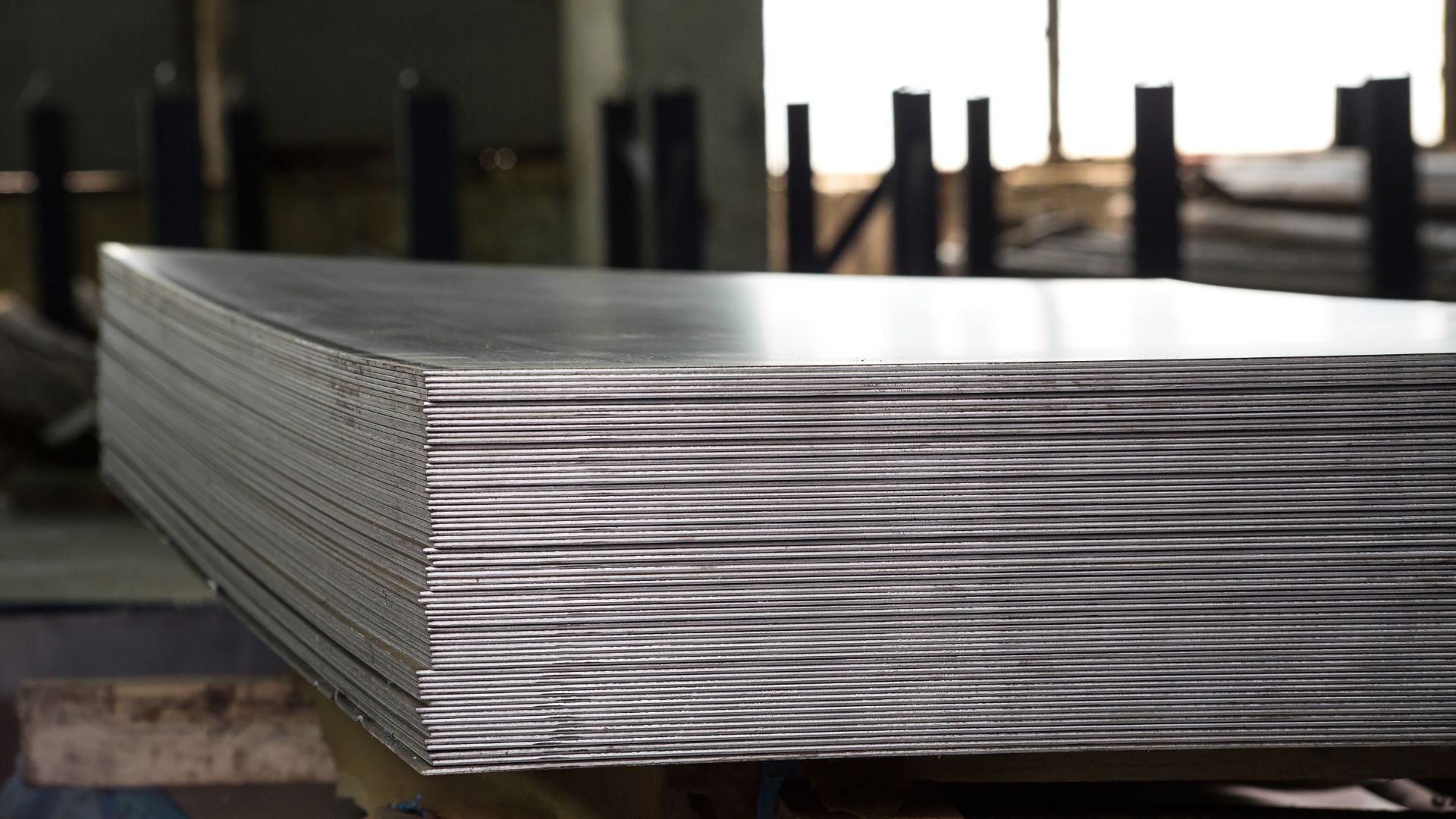
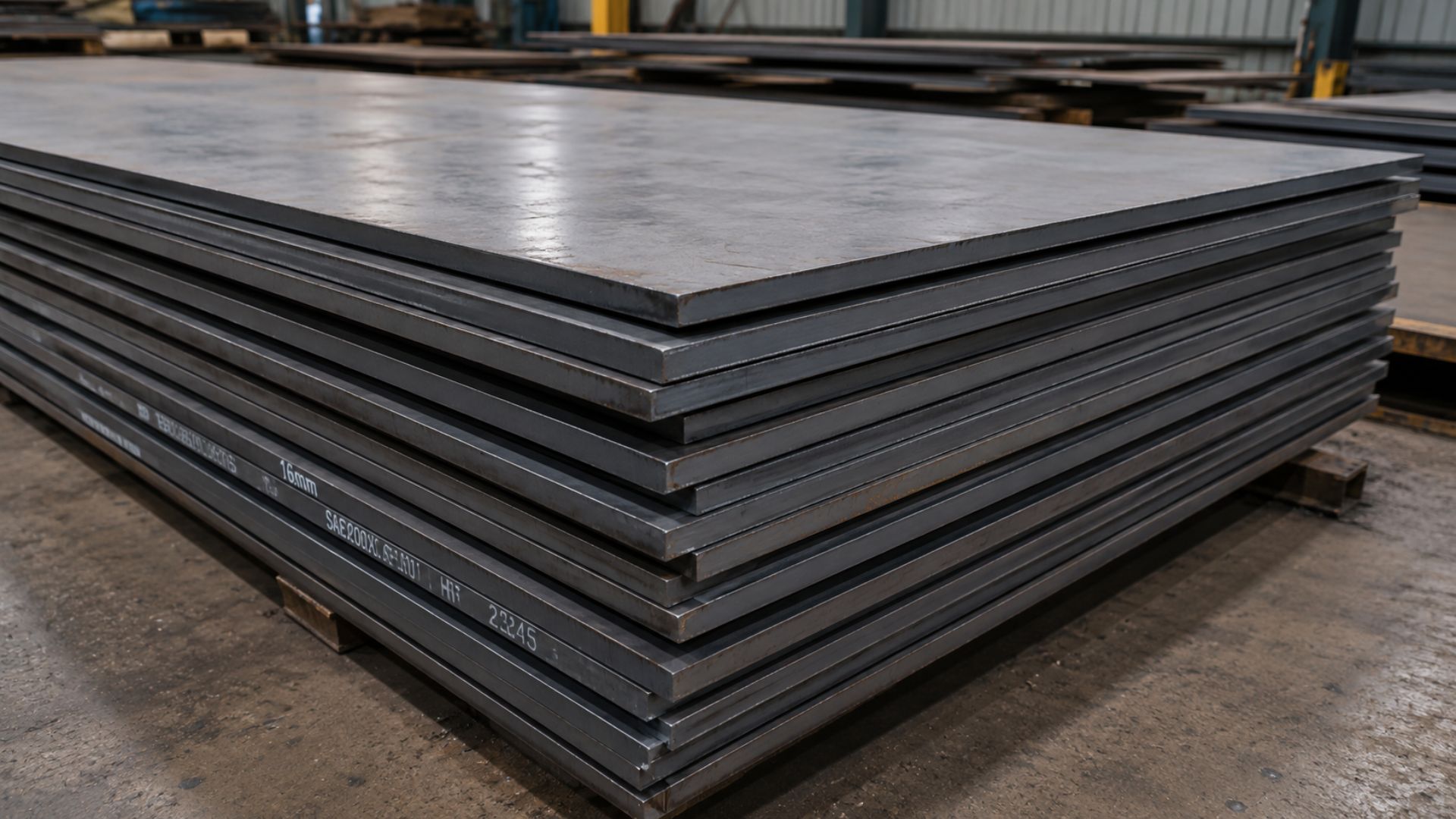
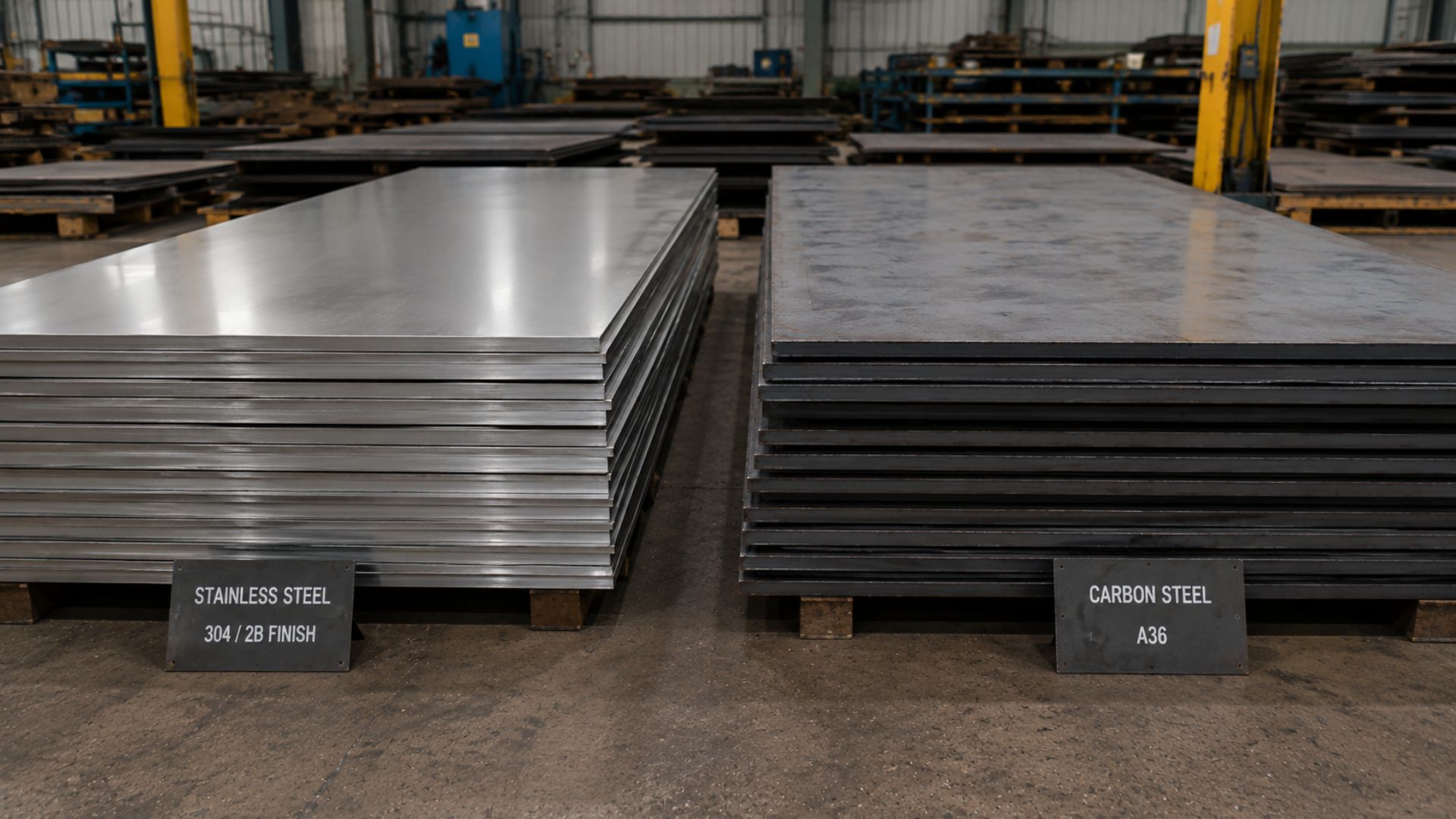
The choice between stainless steel vs carbon steel directly impacts your structure’s ability to meet wind load requirements. Carbon steel, particularly grades such as A36, A572, and A992, offers an excellent strength-to-weight ratio and is the most common choice for structural applications. Carbon steel is an alloy that provides the tensile strength and ductility needed to effectively absorb and distribute wind loads, making it ideal for beams, columns, and bracing systems. However, carbon steel’s vulnerability to corrosion means you must invest in protective coatings to preserve its structural capacity over time.
While the initial material cost is higher, stainless steel’s superior corrosion resistance eliminates the need for protective coatings. Stainless steel is chromium-coated, maintaining its structural properties even in salt-spray zones where carbon steel would rapidly deteriorate. For applications like bridge components, coastal handrails, architectural elements, and connections exposed to the elements, stainless steel often proves more cost-effective over the structure’s lifecycle.
Why Material Selection Matters in Coastal and Hurricane-Prone Regions
In Florida’s coastal regions, the combination of high humidity, salt exposure, and intense UV radiation tests every component of your construction. When you select materials that can’t withstand these conditions, you’re setting yourself up for accelerated deterioration, increased maintenance costs, and potential structural failures during hurricanes. The corrosion that weakens steel members directly reduces load-bearing capacity and can compromise your structure’s ability to meet the wind load requirements it was designed for.
You also need to consider the long-term economic impact of your material decisions. A carbon steel structure that requires repainting every five to seven years, rust remediation, and eventual component replacement. Smart material selection means analyzing lifecycle costs and understanding which applications justify premium materials and which can use standard carbon steel.
Related: Building with Heat and Humidity-Resistant Steel Alloys in Demanding Environments
Spirit Metals’ Expertise in High-Risk Environment Projects Across Florida
At Spirit Metals, we bring more than four decades of combined experience specifically focused on Florida’s unique construction challenges. Our founders come from backgrounds in steel, construction, engineering, and architectural design, giving us the knowledge to evaluate whether you need stainless steel or carbon steel for your specific application.
We stock both standard structural carbon steel and specialty stainless steel grades, allowing you to optimize your material selection based on each component’s exposure. You can source A36 carbon steel for interior structural members, A588 Corten weathering steel for exposed applications where a protective patina is acceptable, and various stainless steel grades for components requiring maximum corrosion resistance. Our team helps you identify which elements truly need premium materials and where you can use more economical options without compromising performance.
What Sets Spirit Metals Apart from Other Florida Steel Suppliers
The difference between Spirit Metals and other suppliers stands out when you’re facing challenging projects. While many distributors simply take orders and ship materials, we actively partner with you to solve problems and optimize solutions. You gain access to hard-to-find specialty alloys, custom fabrication capabilities, and technical expertise that helps you navigate complex material selection decisions. When you’re specifying materials for a coastal bridge project or a high-rise building in a hurricane zone, you need a supplier who understands the engineering implications and can recommend the right solutions.
Our statewide delivery network means you receive materials when and where you need them, from Jacksonville down the eastern coast to Fort Myers on the western coast. We maintain an extensive inventory of both carbon and stainless steel products, including beams, channels, plate, angle, pipe, tube, and specialty items that other suppliers consider too difficult to stock. When your project requires specific certifications, mill test reports, or impact testing for critical applications, we provide the documentation you need without delays or excuses.
Selecting Stainless Steel vs Carbon Steel for Your Wind Load Applications
Your structural design determines which steel products and grades best serve your wind load requirements. For primary structural members such as columns and beams that carry vertical and lateral loads, you typically specify high-strength carbon steel grades, such as A992 for wide-flange beams or A572 Grade 50 for plates and shapes. These materials provide the strength and ductility needed to resist wind-induced forces while remaining cost-effective for large-quantity applications.
For exposed components, connections, and elements subject to direct weather exposure, you need to carefully evaluate whether stainless steel vs carbon steel provides better long-term value. At Spirit Metals, we can help you make these decisions based on your specific exposure conditions, maintenance capabilities, and budget constraints rather than pushing you toward unnecessarily expensive solutions.
You May Also Like: Hardox Plate Applications for Extreme Wear and Impact Conditions
Meeting Florida Building Code Requirements with Confidence
Florida’s building codes are extremely stringent, and you need a supplier who understands these requirements. When you’re working on commercial construction, bridge projects, or industrial facilities, you must provide materials that meet specific ASTM standards, carry proper certifications, and include documentation proving compliance.
Spirit Metals supplies ASTM-certified materials with full mill test certificates, ensuring you have the documentation needed for inspections and approvals. We work regularly with structural engineers, architects, and contractors who follow Florida Building Code requirements, giving us insight into common specification challenges and solutions. You can consult with our team during the design phase to verify material availability, discuss alternatives that might offer better value, and ensure your specifications align with readily available products.
Debating Stainless Steel vs Carbon Steel? Partner with Spirit Metals for Your Next High-Risk Environment Project
Your construction projects in Florida demand materials and expertise you can trust. At Spirit Metals, we’ve built our reputation on four core principles: honesty, integrity, commitment, and communication. You work with a team that genuinely cares about your project success and stands behind every material we supply. Whether you’re evaluating stainless steel vs carbon steel for a specific application, need hard-to-find specialty alloys, or require custom fabrication services, we provide the solutions and support that set your project up for long-term success.
Don’t leave your material selection decisions to chance. Reach out to Spirit Metals today to discuss your specific wind load requirements, evaluate material options, and receive a detailed quote. Our metal supply experts are ready to answer your questions, provide technical recommendations, and ensure the right materials are delivered when and where you need them.