Summary: You need to understand how beam shape impacts strength in order to select the right structural steel for your Florida construction project. Different beam profiles, including I-beams, wide-flange beams, channels, angles, and hollow structural sections, distribute loads differently, affecting their load-bearing capacity. With Spirit Metals, you can get expert guidance on matching beam geometry to your specific application, plus hard-to-find specialty materials, fabrication services, and free delivery throughout central Florida. When you use our services, you’ll soon discover why we’re Florida’s best metal supplier.
How Beam Geometry Impacts Your Florida Projects
The shape of a structural beam directly affects its moment of inertia, which is the mathematical property that determines how well it resists bending under load. Selecting an undersized or incorrectly shaped beam can compromise your entire structure, while over-engineering with unnecessarily heavy beams drives up your material costs and complicates installation. Different beam profiles distribute material away from the neutral axis in different ways, which dramatically affects their load-bearing efficiency. When you’re working on commercial construction projects, getting the beam shape right from the start protects your project timeline and budget.
Related: Load-Bearing Basics: Understanding Steel Beam Deflection
How Beam Shape Impacts Strength: I-Beams vs. Wide-Flange Beams
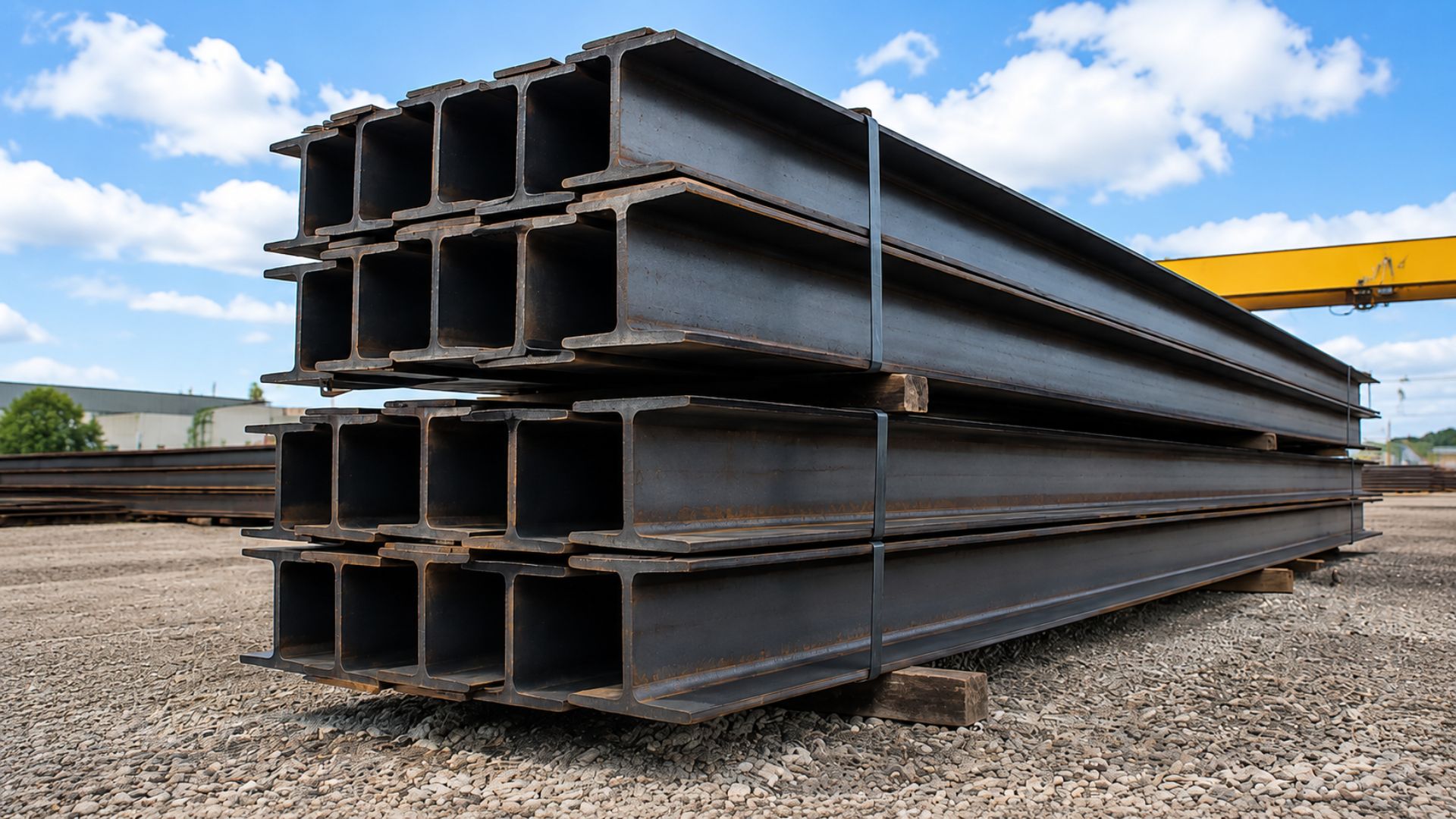
I-beams and wide-flange beams (W-beams) look similar, but they have distinct performance characteristics that matter for your project. Traditional I-beams have narrower flanges and a tapered web, while wide-flange beams feature broader flanges with uniform thickness and a consistent web depth. W-beams give you greater load-bearing capacity within most applications because their width positions more material away from the neutral axis, increasing the moment of inertia. W-beams are the preferred choice for commercial buildings, bridge construction, and heavy industrial applications throughout Florida, where beam shape impacts strength the most.
The flange width also affects lateral stability, which is particularly valuable when you’re designing structures that must withstand hurricane-force winds. Wide-flange beams resist lateral-torsional buckling more effectively than narrow-flange I-beams, giving you additional safety margins in your structure. Spirit Metals maintains an extensive inventory of both I-beams and wide-flange beams in various sizes, and we can deliver the exact profiles you need all throughout central Florida.
Channel Sections and Their Load Distribution Advantages
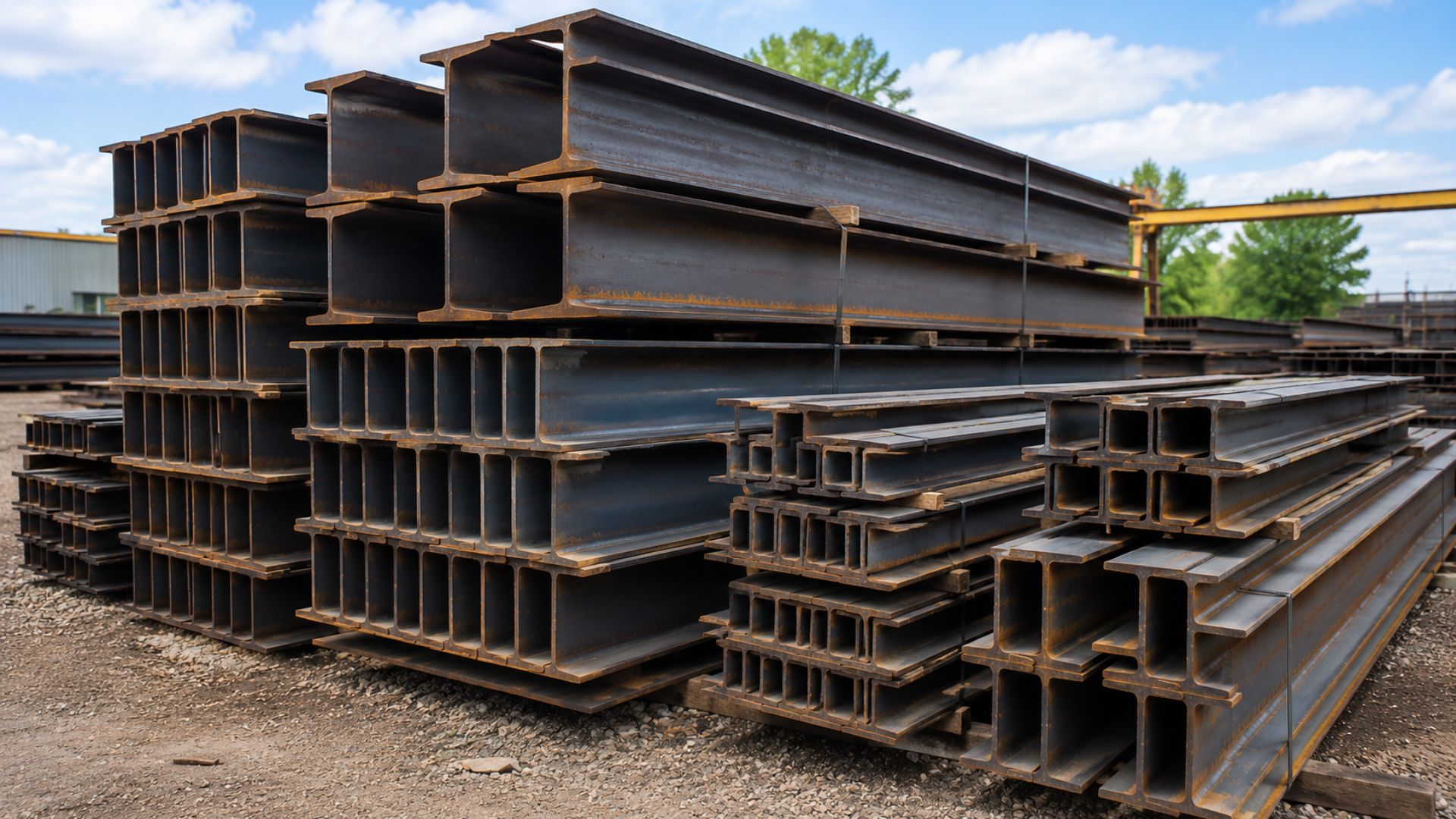
The open cross-section of a structural channel concentrates material in the web and two flanges on one side, creating an asymmetric profile that excels in certain loading conditions. You can use channels effectively as purlin supports, edge members, and in back-to-back configurations where their shape provides both strength and convenient connection points. When you’re building commercial structures, channel beam shape impacts strength in a way that solid beams cannot match, particularly when you need to create custom assemblies or accommodate specific architectural requirements.
The way channels distribute loads makes them particularly effective when you’re dealing with loads applied perpendicular to the web. The open section allows for easy bolt connections and provides accessibility for utilities and mechanical systems. In manufacturing facilities and industrial buildings, this accessibility can significantly reduce installation time and costs. Spirit Metals stocks standard channel sections and can source specialty sizes that other suppliers in Florida might not carry. Our fabrication capabilities mean we can also drill, cut, and prepare your channels to exact specifications before delivery, saving you time and labor costs on the job site.
Hollow Structural Sections: Strength in All Directions
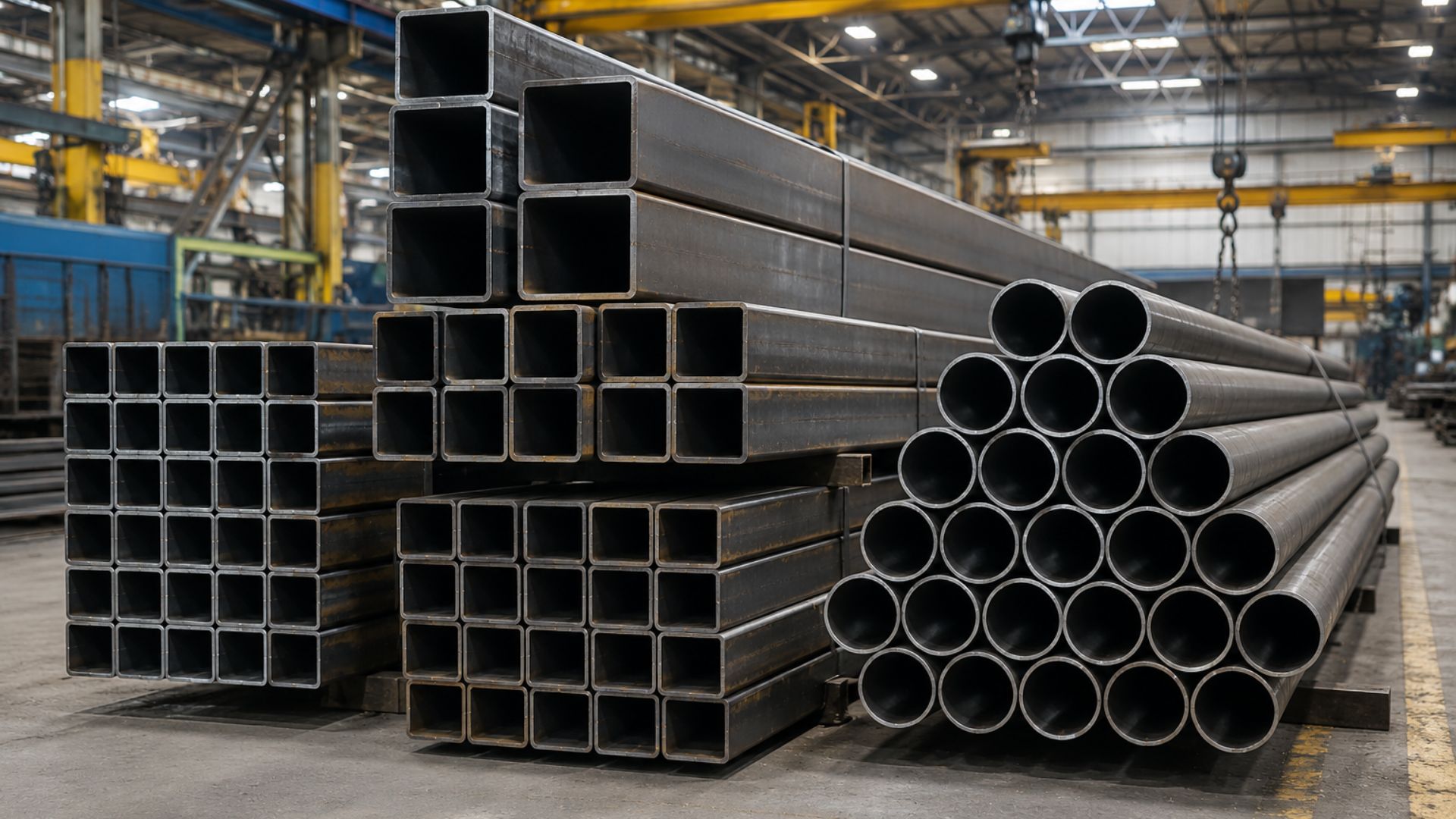
Hollow structural sections (HSS), including square, rectangular, and round tubes, provide exceptional torsional strength and uniform load distribution. The closed cross-section of HSS members gives you superior resistance to twisting forces, making them ideal for columns, bracing members, and applications where loads come from multiple directions. HSS is also popular for architecturally exposed structural steel in commercial buildings throughout Tampa Bay and South Florida. The clean lines and uniform appearance of hollow sections eliminate the need for additional finishing in many applications, reducing your overall project costs.
When you’re selecting structural members for projects in a coastal environment, the closed cross-section of HSS provides better corrosion resistance than open profiles because there are fewer surfaces where moisture can accumulate. You can further enhance this protection with galvanizing or specialty coatings that Spirit Metals can arrange for your project. We maintain an inventory of square, rectangular, and round HSS in various wall thicknesses and dimensions, and our experience helps you select the optimal size for your specific load conditions and span requirements.
You May Also Like: What is the difference between Pipe and Tubing?
Angles and Their Role in Load Transfer Systems
While structural angles (L-shapes) typically don’t serve as primary load-bearing beams, they excel as bracing members, connection elements, and components in built-up sections. The two legs of angles can be equal or unequal, giving you flexibility in how you orient and connect these members within your structural system. Angles work exceptionally well in tension applications, as diagonal bracing, and as edge members where their shape naturally fits the geometry of your structure.
When you’re working on projects that require custom fabrication or hard-to-find sizes, Spirit Metals’ specialty in sourcing unusual materials becomes particularly valuable. We can locate specific angle sizes and grades that larger, less specialized suppliers might not stock, and our Florida-wide delivery network ensures you receive materials when you need them.
Material Grade and How It Interacts with Beam Shape
Beam shape impacts strength, but so does the steel grade you select. Common grades like A36 and A572 offer different yield strengths, and when you pair higher-grade steel with efficient beam shapes, you maximize structural performance while minimizing material costs. You need to consider both factors together because using a high-strength steel in an inefficient shape wastes the material’s potential, while using an optimal shape with an inadequate steel grade leaves performance on the table.
Read Also: Guide to Stainless Steel Grades and Their Applications
What Spirit Metals Offers That Other Suppliers Don’t
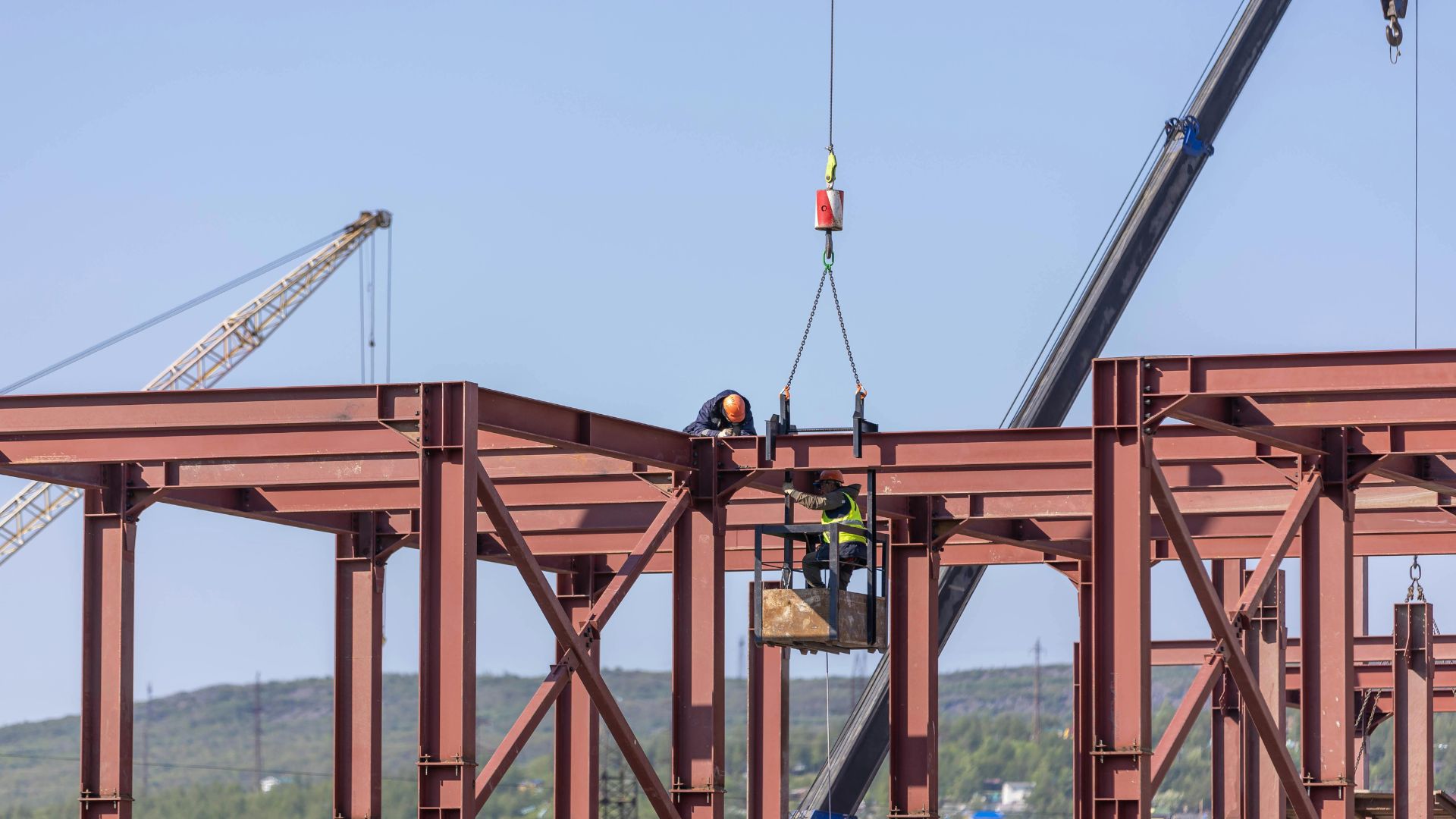
When you’re sourcing structural steel for projects in Florida, you need more than just a supplier. You need a partner who understands your timeline pressures, specification requirements, and budget constraints. Spirit Metals differentiates itself by stocking hard-to-find specialty alloys and structural shapes that larger commodity suppliers often don’t carry. You won’t waste time calling multiple vendors when you need an unusual beam size, a specific steel grade, or specialty materials for marine or corrosive environments. Our 40-plus years of combined experience in steel supply, construction, and engineering means we speak your language and understand the real-world challenges you face on job sites in Florida.
Have a Construction Project Coming Up? Spirit Metals Can Tell You How Beam Shape Impacts Strength and What to Order
Selecting the right beam shape for your structural application requires balancing multiple factors: load requirements, span distances, connection details, architectural constraints, and budget limitations. You don’t have to navigate these decisions alone. Spirit Metals’ experienced team provides the technical consultation you need to specify materials that meet your engineering requirements while optimizing costs. Whether you’re working on commercial buildings in Tampa Bay, bridge projects for FDOT, manufacturing facilities in central Florida, or roadway construction along the coast, we have the inventory, expertise, and service to support your success.
Don’t let material selection slow you down. Reach out to Spirit Metals today for a detailed quote and expert consultation on the optimal beam shapes and steel grades for your specific application. Our team is ready to discuss your load-bearing requirements, review your project specifications, and provide the structural materials you need with the service you deserve.