
Summary: Choosing between square vs rectangular tubing for Central Florida bridge projects directly impacts structural performance, cost-efficiency, and long-term durability in our humid, hurricane-prone climate. Rectangular tubing offers superior directional load-bearing capacity and material efficiency for bridge spans, while square tubing provides uniform strength for multi-directional loads. At Spirit Metals, we bring over 40 years of expertise to help you select the right structural steel for your specific bridge application, with technical consultation, extensive inventory, custom fabrication services, and reliable delivery throughout Central Florida from Jacksonville to Fort Myers.
Understanding Square vs Rectangular Tubing for Bridge Applications
Deciding between square vs rectangular tubing is one of the material decisions you’ll make when designing or constructing bridge infrastructure in Central Florida.
Square Tubing
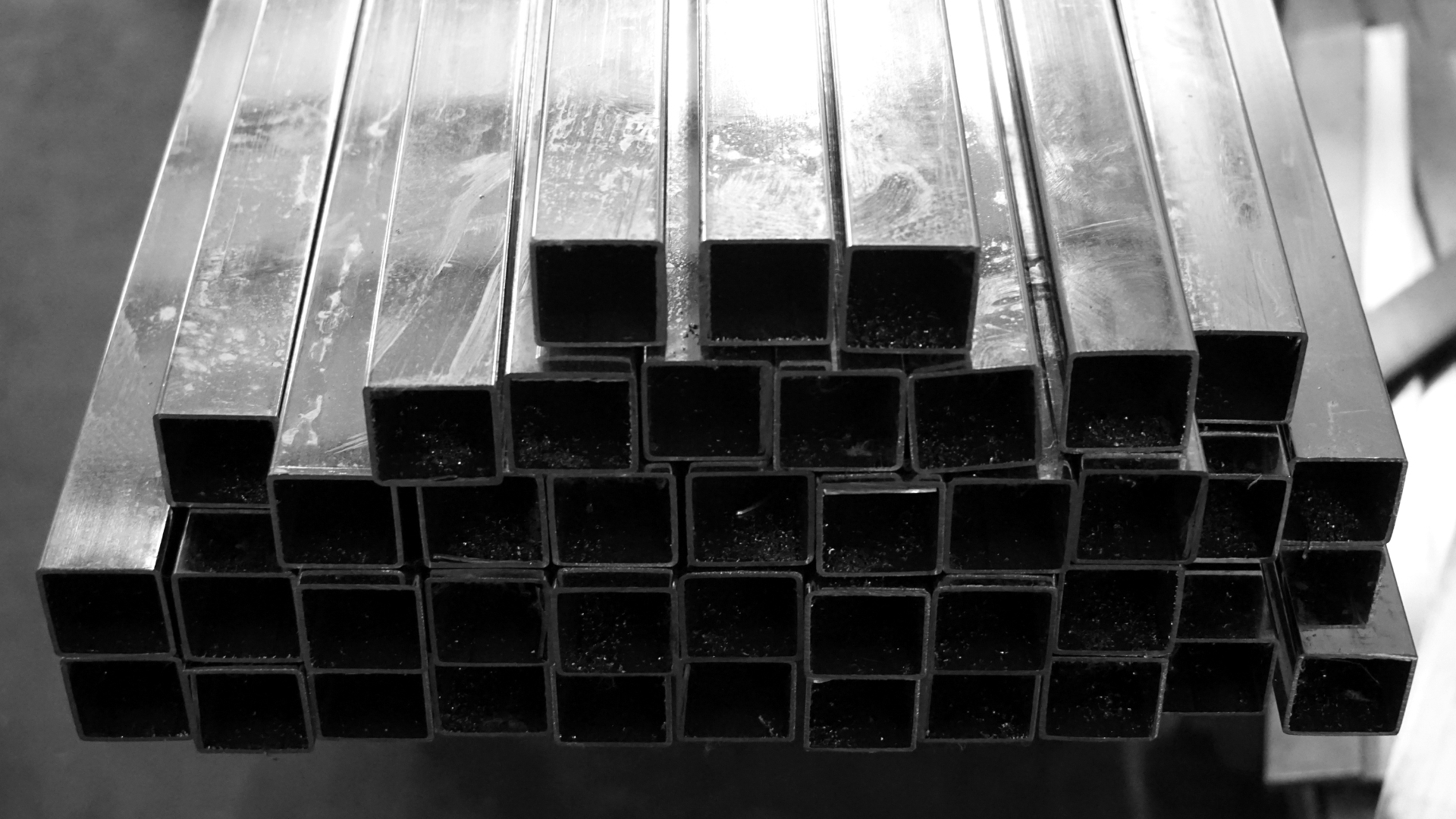
Square tubing offers uniform strength in all directions, making it an excellent choice when you need consistent load distribution across multiple axes. Square tubing performs identically whether forces are applied from the side, top, or at an angle, a characteristic that makes it particularly useful in compression members, vertical supports, and situations where loads come from multiple directions simultaneously. However, the uniform strength comes with a trade-off in weight and material efficiency when dealing with predominantly directional loads.
Rectangular Tubing
Rectangular tubing, on the other hand, provides directional strength optimization that aligns perfectly with many bridge engineering requirements. When you’re dealing with bridge spans, you typically face loads that are primarily vertical (traffic weight, dead loads) or horizontal (wind loads, lateral forces). Rectangular tubing allows you to orient the stronger axis where you need it most, giving you superior load-bearing capacity in the primary direction while reducing unnecessary material in the weaker axis. Directional efficiency translates directly into cost savings and improved structural performance for your Central Florida bridge projects. You can achieve the same or greater load-bearing capacity with less steel, resulting in lower material costs, easier handling, and faster installation times on your job site.
Square vs Rectangular Tubing: Comparison
The geometry of each tubing type also affects how it handles torsional loads. Square tubing generally offers greater torsional rigidity due to its symmetrical cross-section, making it more resistant to twisting under complex loading conditions. Rectangular tubing, while still capable of handling torsional loads, requires more careful engineering analysis to ensure proper orientation and reinforcement. You’ll want to work with a supplier who understands these nuances and can provide technical guidance specific to your bridge design requirements. At Spirit Metals, our team brings construction and engineering backgrounds to every consultation, helping you select the right profile for your specific application.
Related: How to Meet Wind Load Requirements for Structural Steel on the Florida Coast
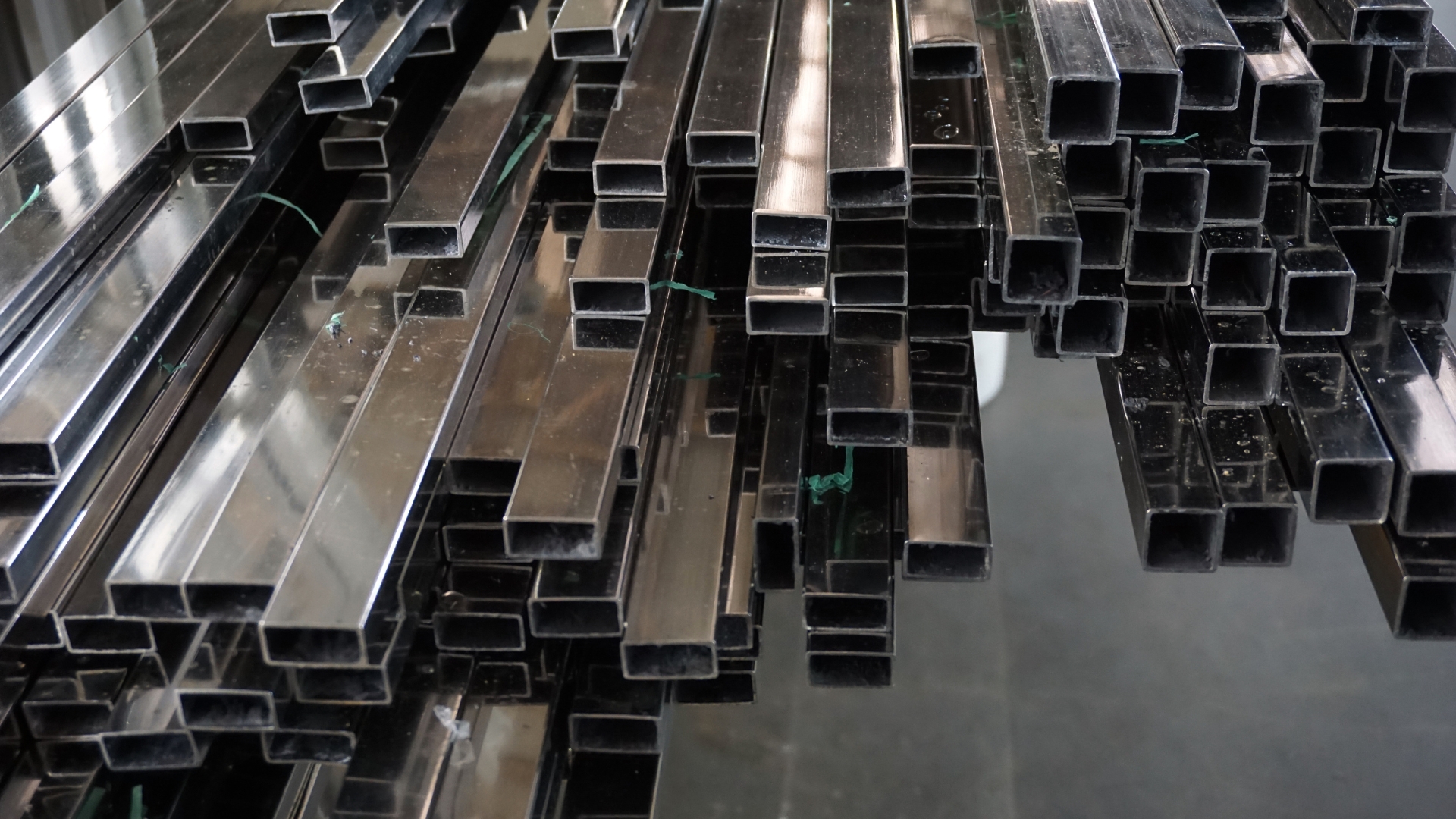
Square vs Rectangular Tubing: Load-Bearing Characteristics in Central Florida’s Climate
Salt Air
Central Florida experiences some of the highest humidity levels in the continental United States, combined with salt air exposure; these conditions accelerate corrosion, which directly impacts the long-term load-bearing capacity of your structural steel components. You need to consider not just the initial strength of your square or rectangular tubing, but how that strength will hold up over decades of exposure to moisture, salt spray, and temperature fluctuations. The cross-sectional geometry of your tubing choice affects how water collects, how air circulates, and ultimately how corrosion progresses over the life of your bridge structure.
Hurricanes
Hurricane-force winds present another load-bearing consideration. When you’re designing bridge infrastructure anywhere from Brooksville to the eastern coast, you must account for sustained winds exceeding 100 mph and gusts that can reach 150 mph or higher during major storm events. Rectangular tubing, when properly oriented with its strong axis perpendicular to prevailing wind directions, can provide superior wind load resistance compared to square tubing of equivalent weight. However, you need to ensure that your design accounts for wind from multiple directions; this is where working with an experienced Florida supplier becomes invaluable. At Spirit Metals, we understand the specific wind load requirements in different regions across Central Florida and can recommend appropriate materials and orientations for your project location.
Thermal Expansion
Thermal expansion and contraction cycles also affect load-bearing performance. Year-round heat, intense solar radiation, and temperature swings can cause significant expansion and contraction in steel structures. Bridge components must accommodate this movement without developing stress concentrations that could lead to fatigue failure over time. Rectangular tubing’s directional properties can be advantageous here, allowing you to design expansion joints and connections that work with the material’s natural behavior rather than fighting against it.
Read Also: Making the Right Steel Tubing Selection for Your Structural and Fabrication Projects
Square vs Rectangular Tubing: Structural Performance Considerations for Bridge Work
Moment of Inertia
The moment of inertia determines how well your steel resists bending under load; essentially, how much deflection you’ll see when traffic crosses your bridge. Rectangular tubing provides a higher moment of inertia along its strong axis compared to square tubing of the same weight, meaning you get more bending resistance where you need it most. For bridge spans and beams that primarily resist vertical loads, this translates into longer possible spans, reduced deflection, and improved structural efficiency. You can often use lighter rectangular sections to achieve the same performance as heavier square sections, resulting in significant material savings on large infrastructure projects.
Connection Designs
Connection design represents another area where the choice between square vs rectangular tubing significantly impacts your project. Bridge structures require numerous connections: beam-to-column, cross-bracing, deck supports, and bearing connections. Square tubing offers the advantage of symmetry, making connection design somewhat simpler since you don’t need to worry about orientation. However, rectangular tubing’s directional properties enable more efficient connection designs when joining members that carry loads in specific directions. You can align the strong axes of connecting members to create load paths that minimize stress concentrations and reduce the amount of reinforcement needed at joints.
Fabrication and Installation
Fabrication and installation considerations also play into structural performance. When you’re working on bridge projects in Central Florida, you need materials that your fabrication shop can work with efficiently and that your field crews can install safely and quickly. Rectangular tubing’s directional nature means you must pay careful attention to orientation during fabrication and installation. Square tubing eliminates this concern, reducing the risk of installation errors that could compromise structural performance. However, the trade-off is that you’re carrying extra material weight that you may not need, which increases handling difficulty and installation time. Your choice should balance structural efficiency against practical construction considerations for your specific project.
You May Also Like: Types of Welding for Different Metals: How to Choose the Right Method for Your Project
What Spirit Metals Offers That Others Don’t
At Spirit Metals, we bring more than four decades of combined experience in steel supply, construction, and engineering to every bridge project we support. When you call us about square vs rectangular tubing for your Central Florida bridge work, you’re speaking with professionals who understand structural engineering principles, FDOT requirements, and the practical realities of bridge construction in our region. We can help you evaluate whether square vs rectangular tubing is more appropriate for your specific application and our technical consultation comes at no additional cost. It’s part of our commitment to ensuring your project succeeds.
Our inventory capabilities set us apart from typical steel suppliers in Central Florida. We stock both square and rectangular tubing in the sizes and grades you need for bridge work, including A500 Grade B and C, A513, and specialty grades for specific applications. When you need A709 DOT-approved materials for bridge projects, we can source them quickly through our extensive supplier network. We also specialize in those hard-to-find sizes and specialty alloys that other suppliers can’t or won’t stock. Our extensive inventory means you won’t have to wait weeks for materials to arrive from out of state. We can often deliver within days, keeping your project moving forward.
We also offer cutting, drilling, and custom fabrication services that deliver materials ready for installation rather than raw stock that requires additional processing. When you’re working on bridge projects, this can eliminate an entire step in your construction process, reducing handling, transportation, and labor costs. Our fabrication team understands bridge construction requirements and can work from your shop drawings to deliver components that meet exact specifications.
Partner With Spirit Metals for Your Central Florida Bridge Projects
Whether you determine that square or rectangular tubing best serves your load-bearing requirements, Spirit Metals provides the materials, technical guidance, and customer service that keeps your Florida construction projects within budget and on schedule. We’ve built our reputation on four core principles: honesty, integrity, commitment, and communication, and we demonstrate these values in every customer interaction. From your initial inquiry through final delivery, you’ll experience the difference that comes from working with a supplier who genuinely cares about your project.
Don’t leave your material selection to chance or settle for a supplier who can’t provide the technical support and service reliability your bridge project demands. Get in touch with Spirit Metals today for a consultation about your square or rectangular tubing needs. We’re ready to deliver the structural steel solutions you need, backed by the expertise and commitment you deserve.