Summary: Steel handrails for commercial buildings represent a critical safety component that combines functional protection with aesthetic design elements. Understanding material options, design considerations, and regulatory requirements ensures your railing systems meet both safety standards and visual objectives. Selecting appropriate steel handrail systems impacts not only code compliance but also maintenance requirements and overall project costs. Contact Spirit Metals today to discuss your commercial railing needs and receive professional recommendations on the optimal steel solutions for your Florida building projects.
The Critical Role of Quality Railings in Commercial Spaces
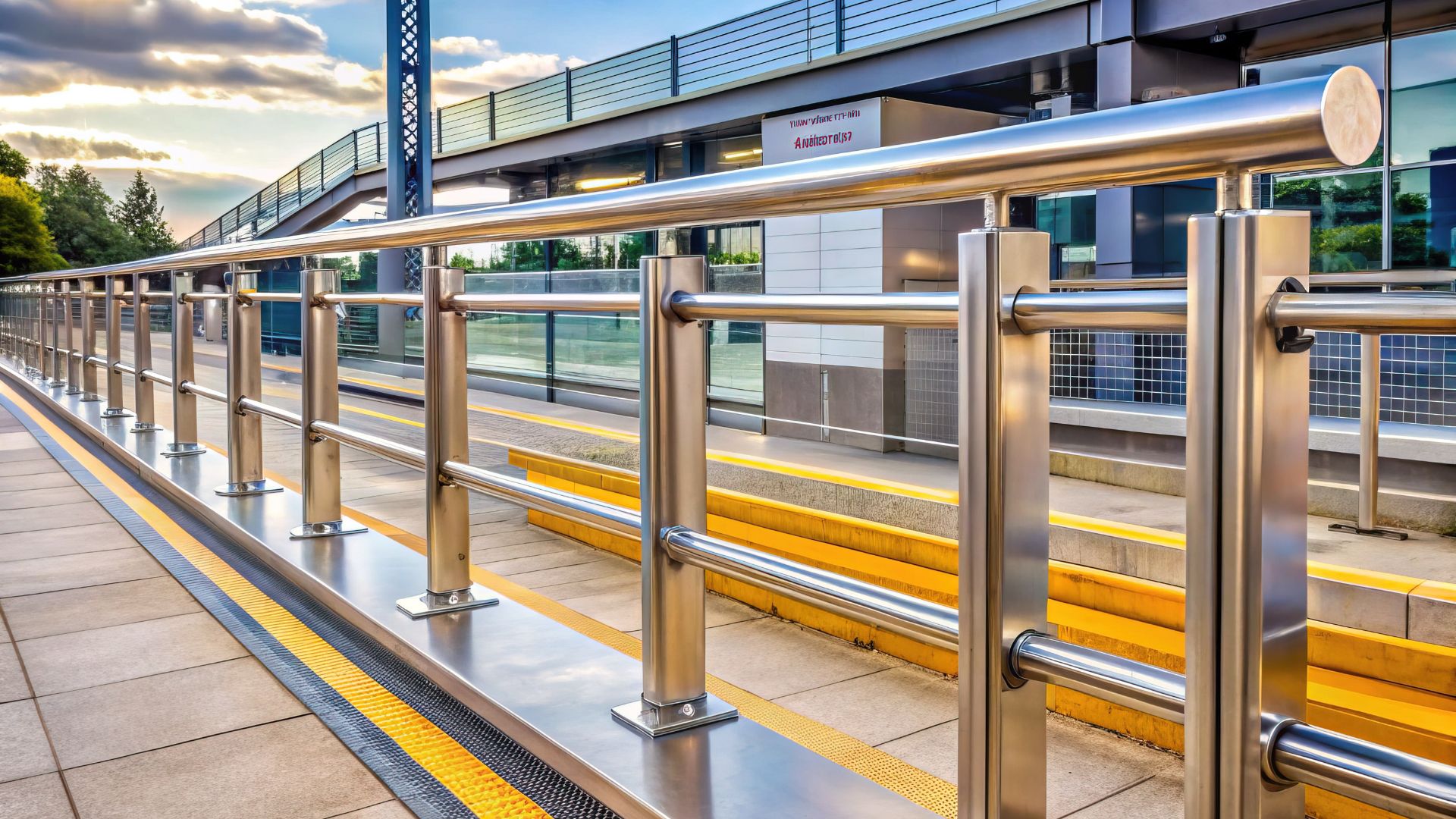
Steel handrails are critical safety features in commercial buildings, providing fall protection, pedestrian guidance, and architectural enhancement for stairways, balconies, and elevated walkways.
For building owners and contractors across Florida—from Jacksonville’s urban developments to commercial properties near Fort Myers—selecting the right railing system can be complex. Coastal conditions, high-traffic environments, and strict building codes require careful consideration of durability, design, compliance, and cost.
Specifying the wrong handrail system can result in failed inspections, increased liability, premature wear, or expensive retrofits. This article wthe key considerations for selecting steel handrails for commercial buildings to help ensure safe, compliant, and cost-effective outcomes for Florida projects.
Material Options and Performance Characteristics
The selection of appropriate materials for steel handrails for commercial buildings significantly impacts both performance and aesthetics:
- Carbon Steel Options: Standard carbon steel offers excellent strength and cost-effectiveness for interior applications, though it requires appropriate finishing to prevent corrosion in Florida’s humid climate.
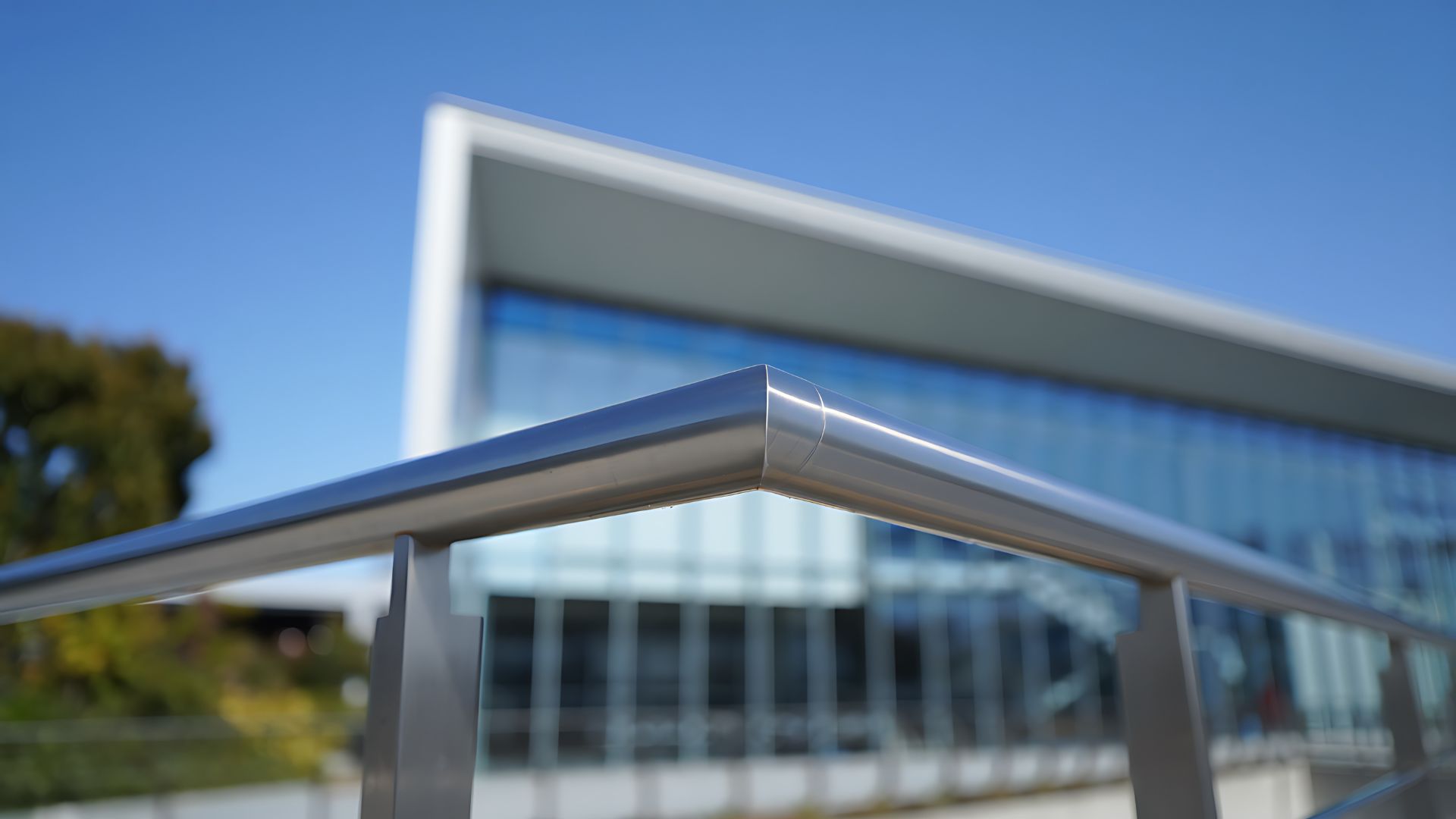
- Stainless Steel Alloys: These premium alloys provide superior corrosion resistance for exterior applications in coastal environments, with 316-grade stainless offering enhanced protection against salt exposure.
- Galvanized Steel Solutions: Hot-dip galvanized railings provide a durable, corrosion-resistant option at a moderate price point, suitable for many exterior commercial applications throughout central Florida.
- Powder-Coated Finishes: These specialized coatings enhance both corrosion protection and aesthetic appeal, allowing railings to complement your building’s architectural design while providing additional environmental protection.
Each alternative delivers different advantages in performance, maintenance, and appearance, with the best choice determined by your project environment, design priorities, and budget.
Related: Fabricating Stainless Steel for Construction Projects: Structural and Architectural Considerations
Design Considerations for Commercial Applications
Effective steel handrails for commercial buildings balance safety requirements with design objectives:
- Height and Clearance Requirements: Commercial railing systems must maintain specific dimensions to ensure safety while accommodating expected traffic volumes in your Florida building.
- Load-Bearing Capacity: Railings must withstand specified lateral and vertical loads based on occupancy type and location, with higher requirements for high-traffic commercial environments.
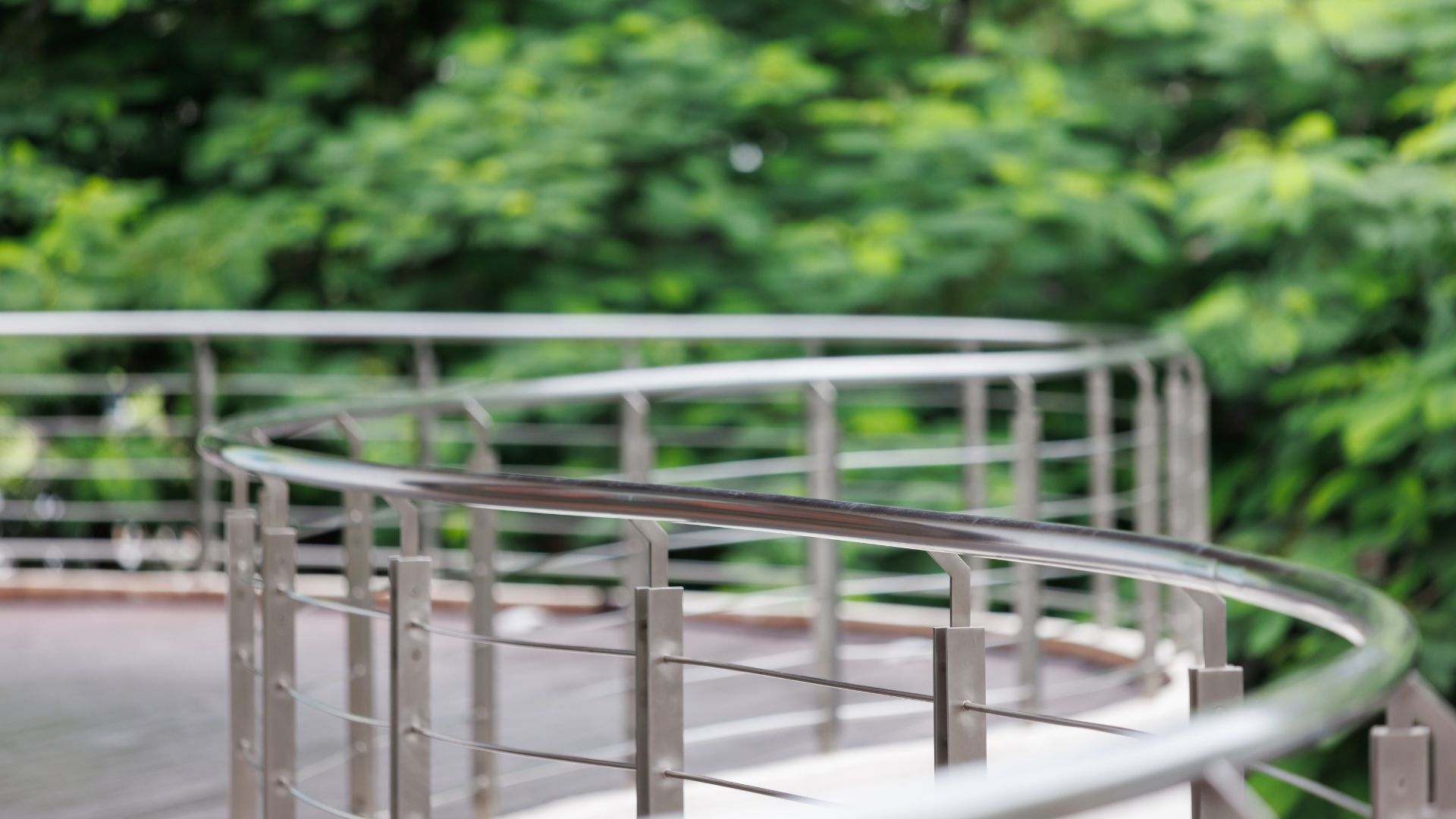
- Infill Panel Options: Various infill designs—including vertical pickets, horizontal cables, glass panels, or perforated metal—offer different aesthetic and functional characteristics while meeting code requirements.
- Mounting Methods: The structural connection between railing systems and the building substrate critically impacts overall system performance, with various mounting options available depending on substrate material.
- Ergonomic Considerations: Handrail profiles must provide comfortable gripping surfaces while meeting dimensional requirements, ensuring usability for all building occupants.
Professional designers can help navigate these considerations, ensuring your selected steel handrails for commercial buildings meet both functional requirements and design objectives.
Regulatory Compliance and Safety Standards
Steel handrails for commercial buildings must adhere to multiple regulatory requirements:
- Building Code Provisions: The Florida Building Code establishes specific requirements for commercial railing systems, including height, opening limitations, and structural performance criteria.
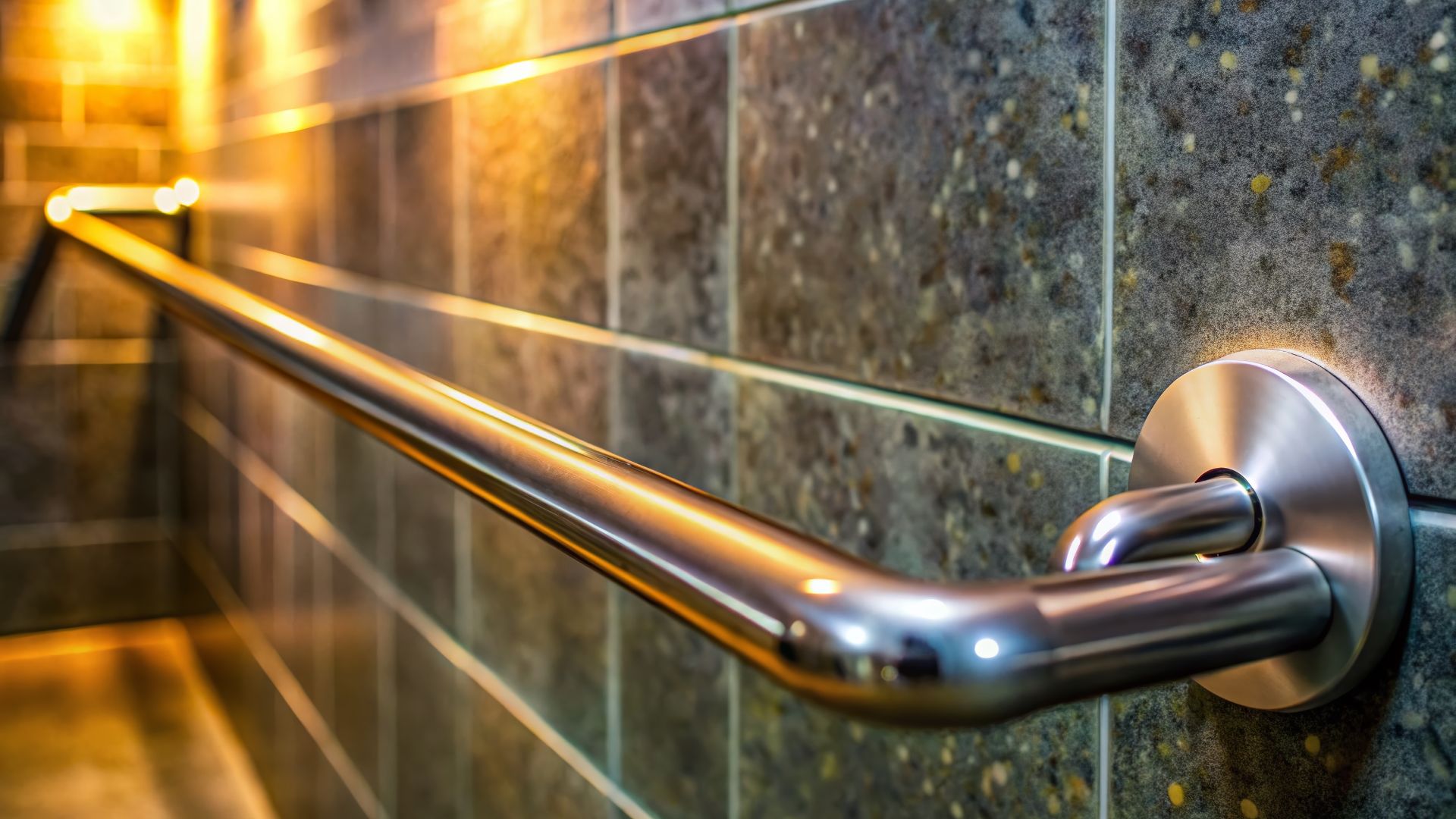
- ADA Compliance: The Americans with Disabilities Act dictates specific dimensional and design requirements for handrails in commercial facilities, ensuring accessibility for all users.
- OSHA Standards: Occupational Safety and Health Administration regulations may apply to certain commercial environments, imposing additional worker-safety requirements.
- Local Amendments: Municipalities throughout Florida may adopt additional requirements beyond base building codes, particularly in coastal high-velocity wind zones or areas with specific guidelines.
Navigating this regulatory landscape requires careful attention to detail and awareness of jurisdiction-specific requirements. Working with knowledgeable suppliers helps ensure your steel handrails for commercial buildings meet all applicable standards.
You Might Like: Custom Steel Bollards for Impact Protection and Site Security
Durability Factors in Florida’s Climate
Florida’s unique environmental conditions create specific challenges for steel handrails for commercial buildings:
- Coastal Considerations: Properties near saltwater environments face accelerated corrosion risks, requiring specialized materials or enhanced protective measures for exterior railing systems.
- Humidity Management: Central Florida’s high humidity can affect even interior railings, requiring appropriate material selection and protective finishes.
- UV Exposure: Intense sunlight can degrade certain finishes and materials over time, affecting both the appearance and structural integrity of exterior components.
- Storm Resistance: In hurricane-prone regions, railing systems must withstand extreme wind forces and potential impact from windborne debris, requiring robust design and secure anchoring.
Understanding these environmental factors helps inform appropriate material selection for your steel handrails for commercial buildings, ensuring long-term performance in Florida’s demanding climate.
Related: Why Corrosion-Resistant Stainless Steel is the Preferred Choice for Tough Environments
Installation Best Practices
Installation completed to industry best practices significantly impacts the performance and longevity of steel handrails for commercial buildings:
- Substrate Evaluation: Assess the mounting substrate to ensure it provides adequate structural support, particularly in retrofit applications where existing conditions may present challenges.
- Anchoring Methods: Select appropriate hardware based on substrate material and anticipated loads, with special consideration for corrosion-resistant fasteners in Florida’s humid environment.
- Alignment Precision: Maintain proper alignment and consistent heights throughout the system to ensure both aesthetic quality and functional performance.
- Expansion Accommodation: Account for thermal expansion in exterior applications, incorporating appropriate joints to prevent stress-related failures during temperature fluctuations.
Professional installation by experienced contractors familiar with commercial applications helps ensure your steel handrails for commercial buildings perform as intended throughout their service life.
Maintenance and Longevity Considerations
Implementing appropriate maintenance protocols extends the service life of steel handrails for commercial buildings:
- Inspection Schedules: Establish regular inspections to identify potential issues before they develop into significant problems.
- Cleaning Protocols: Develop appropriate cleaning procedures based on material type and finish, with special attention to removing corrosive contaminants in coastal locations.
- Touch-Up Procedures: Address minor finish damage promptly to prevent corrosion progression, particularly in exterior applications.
- Connection Monitoring: Regularly verify the security of all mounting hardware and connections, as these components often experience the greatest stress.
Proactive maintenance significantly extends the service life while preserving the appearance and functionality of steel handrails for commercial buildings.
Also on Our Blog: Structural Steel Channel Sections and Their Role in Load-Bearing Design
Why Local Sourcing Benefits Your Project
Partnering with a Florida-based supplier for steel handrails for commercial buildings offers significant advantages:
- Regional Code Knowledge: Local suppliers understand Florida’s specific building code requirements affecting commercial railing systems, helping ensure compliance.
- Climate Expertise: Suppliers familiar with Florida’s diverse environments can recommend appropriate materials based on your specific location.
- Responsive Support: When challenges arise during your project, local suppliers can provide prompt assistance, preventing costly delays or compliance issues.
Spirit Metals serves construction professionals throughout Florida. Our team ensures you receive appropriate recommendations for your steel handrails for commercial buildings.
Why Choose Spirit Metals for Your Commercial Railing Needs
At Spirit Metals, we understand the critical importance of selecting steel handrails for commercial buildings. Our comprehensive inventory serves construction professionals throughout central Florida with high-quality structural steel products.
When you partner with Spirit Metals, you benefit from:
- Quality Materials: All our steel products meet applicable ASTM standards.
- Technical Assistance: Our knowledgeable team provides guidance on selecting appropriate railing systems tailored to your project requirements.
- Code Compliance: We stay current with Florida building code requirements affecting commercial railing systems, helping ensure your project meets all standards.
- Competitive Pricing: Our established supplier relationships enable us to offer quality materials at competitive rates without compromising performance.
Our focus on Florida’s construction industry means we understand regional challenges that influence your railing system decisions.
Take Action on Your Commercial Railing Needs Today
The success of your next commercial building project depends on making informed decisions about steel handrails for commercial buildings.
Our team is ready to help you navigate the selection process, ensuring you receive the right railing materials at the right time. With Spirit Metals as your steel handrails fabricator and supplier, you gain more than just quality products—you gain a partner committed to your project’s success.
Speak with Spirit Metals today to evaluate your requirements and receive project-specific recommendations.