
Summary: Stainless vs carbon steel flanges have different advantages depending on your project’s requirements. Stainless offers superior corrosion resistance, which is particularly valuable in humid coastal environments, while carbon steel provides cost savings for less corrosive applications. The right choice depends on your project’s environmental exposure, expected lifespan, maintenance accessibility, and long-term cost considerations rather than just initial price. When you’re ready to choose, Spirit Metals has the expertise to ensure success across a wide variety of Florida construction applications.
Understanding the Fundamental Differences Between Stainless vs Carbon Steel Flanges
When selecting the right materials for your industrial or commercial construction project, it’s valuable to know what sets them apart at the molecular level. Carbon steel flanges are made of carbon and iron alloys, which gives them their characteristic strength and durability. The carbon steel’s higher carbon content contributes to increased hardness and tensile strength, enabling it to withstand significant pressure and weight.
Stainless flanges, by contrast, contain chromium, which forms a passive chromium oxide layer with exceptional corrosion resistance. Chromium-oxide continuously reforms when damaged, giving stainless steel its remarkable ability to resist rust and corrosion even in challenging coastal environments. Stainless steel flanges often contain other alloying elements such as nickel, molybdenum, and nitrogen, which further enhance their effectiveness in specific environments.
Cost Considerations: Initial Investment vs. Lifetime Value
When evaluating your project budget, the price difference between stainless vs carbon steel flanges deserves careful consideration. Carbon steel flanges typically cost 40-60% less than their stainless counterparts, making them an attractive option for projects with tight initial budgets or applications where corrosion resistance isn’t a primary concern. With carbon steel, your upfront savings can be substantial, especially for projects requiring numerous flanges. Many contractors and project managers initially gravitate toward carbon steel for this very reason, particularly when working in non-coastal environments.
Stainless steel flanges, while more expensive upfront, often deliver superior lifetime value through reduced maintenance requirements, longer service life, and fewer replacements. When factoring in labor costs, project downtime, and potential failures, stainless steel’s higher initial investment frequently translates to lower total ownership costs over time, especially on the coast.
Corrosion Resistance of Stainless vs Carbon Steel Flanges
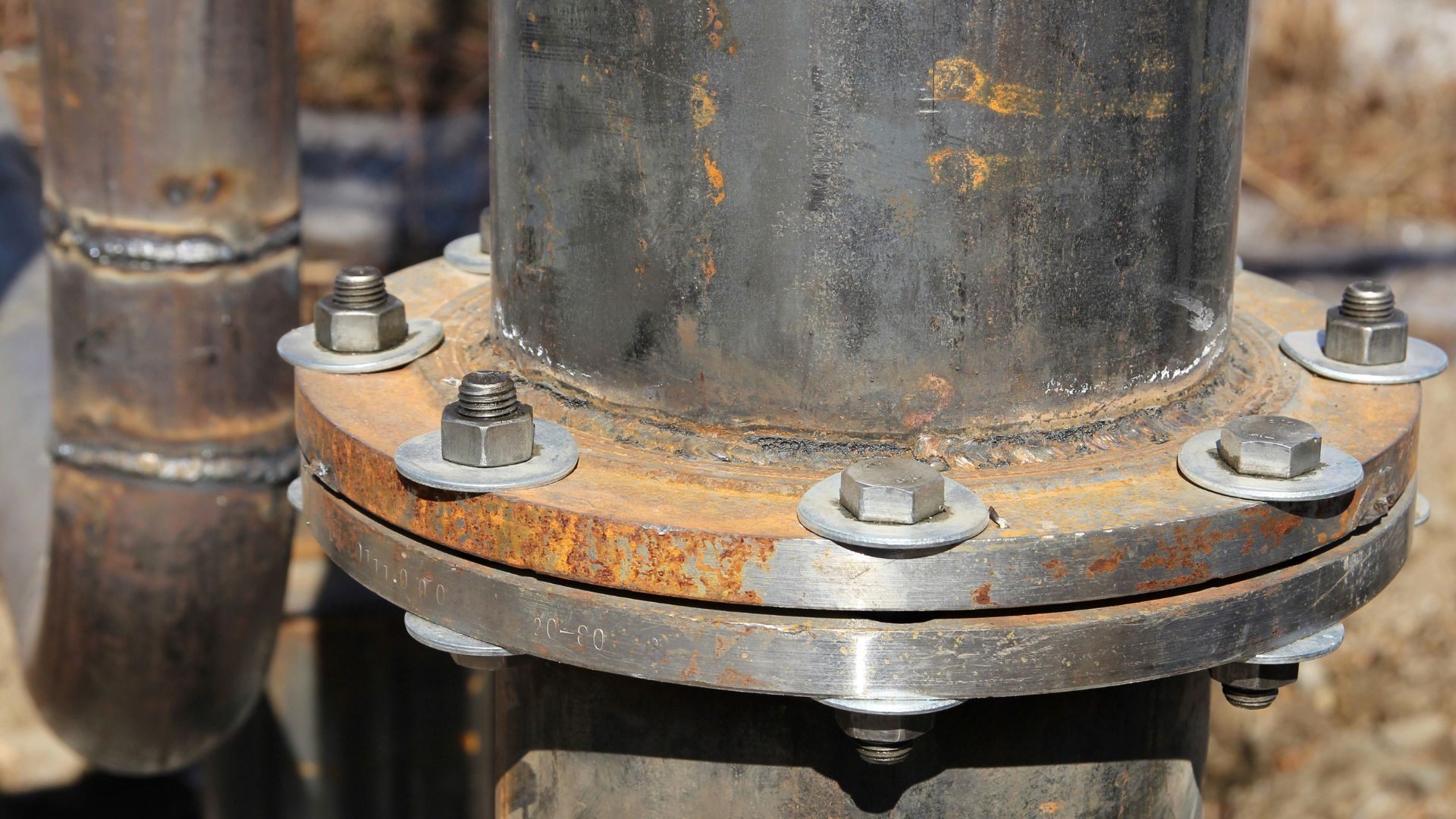
Florida’s unique environmental conditions make corrosion resistance a paramount consideration when selecting flanges for your project. With high humidity, proximity to saltwater, and frequent exposure to rain, your metal components face ongoing corrosion. Carbon steel flanges, while strong and initially cost-effective, are inherently susceptible to rust and corrosion when exposed to moisture and oxygen. Without proper protective coatings or regular maintenance, carbon steel flanges can begin showing signs of corrosion within months or even weeks.
Chromium-rich stainless steel flanges offer dramatically better protection against Florida’s corrosive elements. Chromium oxide prevents oxygen and moisture from reaching the underlying metal, effectively stopping corrosion before it begins. Stainless steel is perfect for coastal areas, but even in inland Florida, projects experience enough humidity to warrant its protective properties.
Related: Why Corrosion-Resistant Stainless Steel is the Preferred Choice for Tough Environments
Temperature Resistance and Performance Under Extreme Conditions
Carbon steel flanges generally perform well in moderate-temperature environments, typically maintaining structural integrity between -20°F and 800°F, depending on the grade. When your project operates within these temperature parameters and isn’t subject to extreme thermal cycling, carbon-steel flanges often provide sufficient performance at a lower cost.
Stainless steel flanges, particularly austenitic grades like 304 and 316, offer exceptional performance across a much wider temperature spectrum, typically from cryogenic temperatures up to 1500°F. Stainless’s expanded operating range is particularly valuable for specialized manufacturing facilities, chemical processing plants, or any system subject to significant temperature fluctuations.
Pressure Ratings and Mechanical Properties for Critical Applications
Carbon steel flanges generally offer excellent tensile strength and pressure resistance, making them well-suited for high-pressure applications where temperature and corrosion are not primary concerns. Standard carbon steel flanges (typically made from materials like ASTM A105) can handle working pressures up to 2500 PSI or more, making carbon steel flanges popular for many structural applications, building systems, and manufacturing processes throughout Florida’s diverse industries.
Stainless steel flanges, while offering excellent pressure ratings, also provide additional benefits through their superior ductility and impact resistance. Stainless steel’s enhanced elasticity allows it to better absorb shock and vibration. When your project involves critical safety applications, unpredictable loads, or is subject to physical impacts, stainless steel’s superior toughness provides an additional safety margin that basic carbon steel cannot match.
See Also: The Benefits of Stainless Steel in Construction: Strength, Appearance, and Long-Term Performance
Industry-Specific Applications Where Stainless vs Carbon Steel Flanges Excel
Different industries have unique requirements when choosing between stainless vs carbon steel flanges.
Carbon Steel Uses
In commercial building construction, carbon steel flanges often prove sufficient for:
- standard HVAC systems
- water distribution
- structural supports in non-corrosive indoor environments
- roadway construction and standard bridge projects
When your project falls within these parameters and operates in controlled environments, carbon-steel flanges may be the most economical choice without compromising system integrity.
Stainless Steel Uses
Conversely, stainless steel flanges typically excel in:
- Specialized manufacturing facilities
- Food processing plants
- Pharmaceutical operations
- Chemical processing plants.
Any project involving exposure to harsh chemicals, sanitation requirements, or strict regulatory compliance may necessitate stainless steel’s superior corrosion resistance and non-reactive surface.
Maintenance Requirements and Long-Term Considerations of Stainless vs Carbon Steel Flanges
Maintenance requirements differ significantly between stainless vs carbon steel flanges. Carbon steel flanges typically require regular inspection, periodic repainting or coating renewal, and vigilant protection against moisture exposure to prevent corrosion. You’ll need to incorporate these ongoing maintenance requirements into your project planning, allocating resources for regular inspections and preventive maintenance to ensure system integrity.
Stainless steel flanges, by comparison, require minimal maintenance. The self-healing chromium oxide layer continuously protects the metal without requiring additional coatings or treatments, significantly reducing maintenance demands. For difficult-to-access installations or critical systems with limited maintenance opportunities, the self-maintaining nature of stainless steel flanges provides substantial practical advantages.
Read Also: Fun Facts about Steel and what you may not know!
How to Assess Flanges for Your Florida Project
When selecting between stainless vs carbon steel flanges for your Florida project, consider these critical factors to guide your decision:
- First, assess your project’s exposure to moisture, chemicals, and salt air; these are environments where stainless steel’s corrosion resistance provides significant advantages.
- Then, carefully evaluate your project’s expected lifespan and calculate total ownership costs.
- Finally, consider how accessible your flanges will be for future maintenance, as difficult-to-reach installations may justify stainless steel’s higher upfront cost.
You deserve a partner who can provide not just materials but expert guidance tailored to your specific needs. At Spirit Metals, our team brings over 40 years of combined experience in the steel and construction industries, offering unparalleled knowledge about material selection for Florida’s diverse environments. When you work with Spirit Metals, you gain access to both premium materials and specialized expertise that leaves other suppliers in the dust.
Considering Stainless vs Carbon Steel Flanges? Spirit Metals Can Help You Choose the Right Flanges for Your Projects
The choice between stainless vs carbon steel flanges represents more than a simple material decision. While carbon steel flanges offer cost advantages and sufficient performance for many standard applications, stainless steel provides superior corrosion resistance, reduced maintenance, and exceptional durability.
Spirit Metals stands ready to supply both carbon and stainless steel flanges to meet your exact specifications, whether your project is in Jacksonville, central Florida, or anywhere along Florida’s eastern or western coasts. As Florida’s premier supplier of structural steel and specialty alloys, we offer not just superior products but the technical expertise to help you select the optimal materials for your unique application.
Contact Spirit Metals today for a personalized consultation and quote on your flange requirements. Let us demonstrate how our commitment to honesty, integrity, and service sets us apart as your trusted metal supply partner.