Summary: H-piles and I-beams serve distinct purposes in structural applications, with important differences in design, load-bearing capabilities, and optimal use cases. Recognizing these distinctions allows for more informed decision-making when selecting structural steel components for your building, bridge, or foundation projects. Choosing the appropriate profile can significantly impact your project’s structural integrity, timeline, and budget. Contact Spirit Metals today to discuss your specific project requirements and receive professional recommendations on whether H-piles or I-beams would best suit your needs.
Understanding Structural Steel Profiles
The decision between H-piles and I-beams is one of the most critical in commercial construction, bridge work, and foundation projects. While they may appear similar at first glance, their distinct characteristics make each better suited for specific applications. Making an informed selection between these profiles can significantly impact your project’s structural integrity, longevity, and cost-effectiveness.
As a construction professional in Florida, you face unique challenges that directly influence material selection. From the corrosive coastal environments of Jacksonville and the eastern seaboard to the varying soil conditions from Brooksville to Fort Myers, choosing the appropriate structural profile requires careful consideration of multiple factors. When the wrong profile is specified, projects may encounter costly delays, structural issues, or premature material failure.
Many construction professionals struggle to determine which profile best suits their specific application, especially when project requirements are complex or when balancing competing priorities such as material cost, installation time, and long-term performance. This article breaks down the key distinctions between these structural components and offers practical guidance on when to use each.
The Fundamental Differences Between H-Piles and I-Beams
Understanding the structural and design differences between H-piles and I-beams forms the foundation for making appropriate selections:
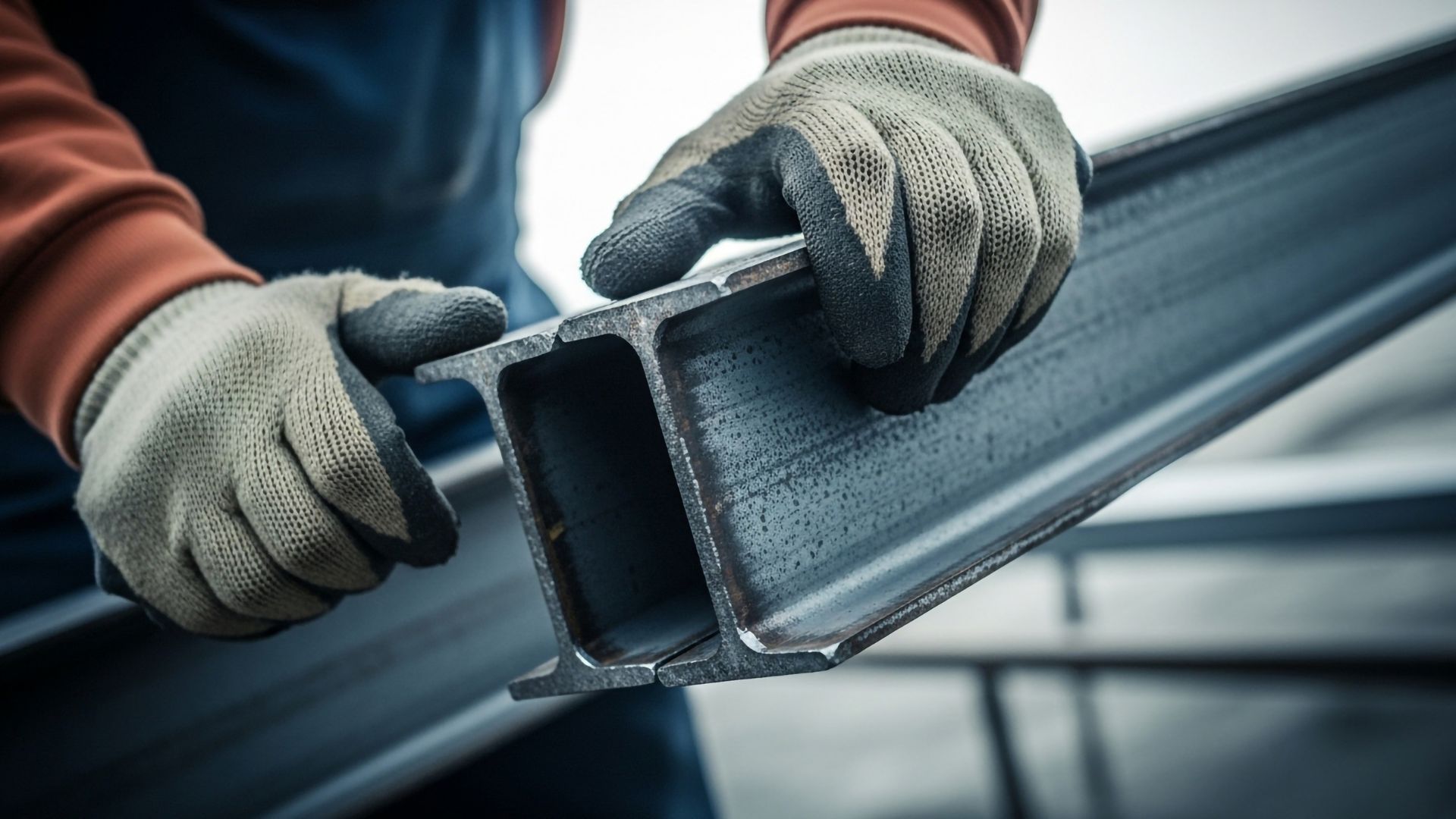
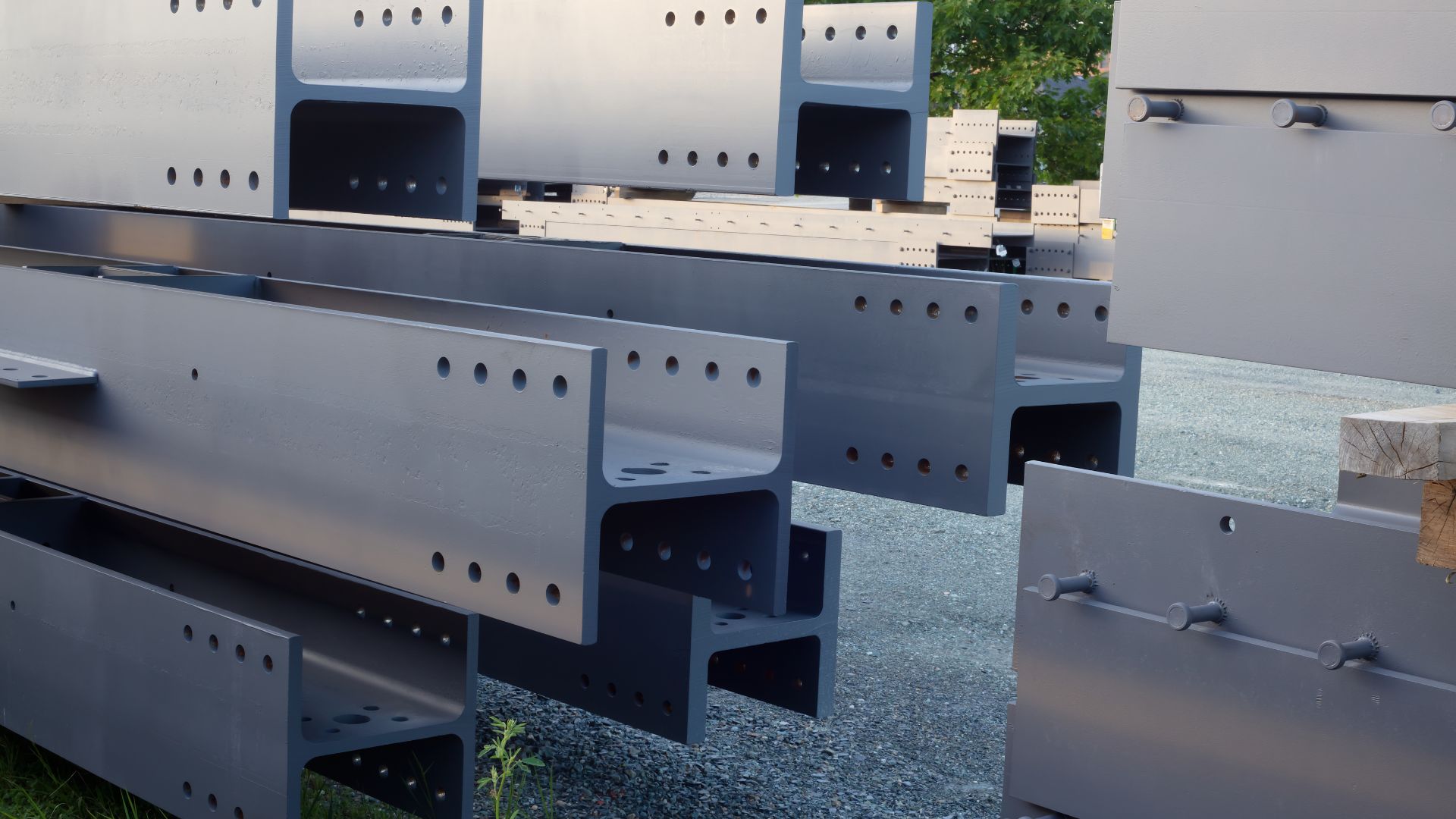
- Physical Characteristics: H-piles feature parallel flanges with uniform thickness, while I-beams typically have tapered inner flange surfaces. This seemingly minor difference significantly affects how each profile handles different types of loads.
- Flange and Web Proportions: H-piles generally have wider flanges relative to their web height compared to I-beams. This design difference directly impacts their performance under various loading conditions common in Florida construction projects.
- Size and Weight Considerations: H-piles typically come in heavier sections than standard I-beams, making them suitable for applications requiring substantial load-bearing capacity but potentially increasing transportation and handling costs for your project.
- Manufacturing Process: The production methods for these structural profiles influence their material properties, dimensional tolerances, and ultimately their performance in your structural applications across central Florida.
The ASTM A6 specification covers the standard dimensions and properties for both profile types, though each follows different designation systems. I-beams generally use the “S” designation (e.g., S12×35), while H-piles use the “HP” designation (e.g., HP12×53), with numbers indicating nominal depth and weight per foot.
Related: Avoiding Inspection Delays with ASTM-Approved Steel Beams
When to Specify H-Piles for Florida Projects
H-piles and I-beams serve different purposes, with H-piles excelling in specific applications, particularly in foundation work common throughout Florida’s varying terrain:
- Deep Foundation Applications: H-piles perform exceptionally well as deep foundation elements, making them ideal for projects with poor surface soil conditions—a common challenge in Florida’s coastal areas and regions with high water tables.
- Axial Load Performance: Their uniform flange thickness provides superior resistance to buckling under axial compression loads, essential for supporting heavy structures in Florida’s commercial and bridge construction sectors.
- Driving Characteristics: These structural elements offer excellent driving performance in various soil conditions, including the sandy soils prevalent along Florida’s coastlines from Jacksonville to Fort Myers.
- Splice Efficiency: When project depth requires joining multiple sections, H-piles provide efficient splicing options, reducing installation time and associated labor costs.
In Florida’s coastal environments, foundation elements often require additional considerations for corrosion protection. For projects near saltwater, galvanized or coated structural components may be necessary to ensure long-term structural integrity and performance.
Keep Reading: The Ultimate Guide to Choosing the Right H-Pile Beams for Foundations in Florida’s Coastal Soil
Optimal Applications for I-Beams in Construction
I-beams serve different purposes in the structural system, with distinct advantages from H-piles and I-beams in these scenarios:
- Horizontal Span Applications: I-beams demonstrate superior performance in applications requiring horizontal load support, such as floor systems in commercial buildings throughout central Florida.
- Bending Resistance: The design of these beams provides excellent bending resistance, making them ideal for bridge girders and structural framing in commercial construction.
- Economical Solutions: For many superstructure applications, I-beams offer a more economical solution compared to other profiles, helping maintain project budgets without compromising structural integrity.
- Dimensional Variety: These structural elements come in a wide range of sizes and proportions, providing greater design flexibility and meeting specific project requirements from Jacksonville to the western coast.
For Florida projects, particularly in coastal regions, specifying the appropriate protective measures for structural steel is essential to prevent corrosion and ensure longevity. This may include galvanization, specialized coatings, or the selection of corrosion-resistant alloys, depending on exposure conditions.
Keep Reading: Building with Heat and Humidity-Resistant Steel Alloys in Demanding Environments
H-Piles and I-Beams: Comparative Strength Analysis
When evaluating H-piles and I-beams for your Florida construction project, consider these performance characteristics:
- Axial Compression: H-piles generally outperform I-beams in pure axial compression applications, making them preferable for column and foundation pile use in Florida’s commercial construction projects.
- Lateral Load Resistance: I-beams typically perform better under lateral and bending loads, which are important in regions prone to high winds and hurricanes, such as Florida’s eastern and western coastlines.
- Torsional Stability: Different structural profiles offer varying resistance to torsional forces, a consideration for structures subject to asymmetric loading.
- Vibration Characteristics: The different profiles exhibit distinct vibration absorption properties, which may influence selection for sensitive applications or structures with specific performance requirements.
Understanding these comparative strengths helps you select the most appropriate profile based on the predominant forces your structure will face, whether in Jacksonville’s urban environment or in the developing areas around Brooksville and Fort Myers.
Common Challenges in Profile Selection
Construction professionals frequently encounter challenges when selecting between H-piles and I-beams for their projects:
- Load Complexity: Many structures experience complex combinations of axial, lateral, and torsional loads, making it difficult to determine which profile offers optimal overall performance.
- Site Condition Variables: Florida’s diverse soil conditions, from coastal sand to inland clay, influence foundation design and profile selection decisions.
- Budget Constraints: Material costs, installation expenses, and long-term maintenance requirements must be balanced against immediate project budget limitations.
- Availability Concerns: Supply chain issues can affect material availability, potentially impacting project timelines if alternatives aren’t identified promptly.
Working with a knowledgeable steel beam supplier and fabricator helps you navigate these challenges and select the right materials for your application without compromising timelines or cost controls.
Why Local Sourcing Matters for Your Project
Partnering with a local Florida steel supplier offers significant advantages when sourcing H-piles and I-beams for your construction projects:
- Regional Construction Knowledge: Local suppliers understand Florida’s building codes and requirements, particularly those related to hurricane resistance and coastal construction standards that directly impact structural specifications.
- Logistics Efficiency: Sourcing locally reduces transportation distances and costs, particularly important given the weight and size of these structural elements.
- Responsive Problem-Solving: When issues arise during your project, local suppliers can respond quickly with solutions, preventing costly delays that national suppliers might struggle to address.
- Market Familiarity: Local suppliers stay up to date on regional material availability and pricing trends, helping you make cost-effective selections that align with your project budget.
Spirit Metals serves construction professionals throughout central Florida, from Jacksonville on the eastern coast to Brooksville and Fort Myers on the western coast. Our team’s familiarity with regional construction practices ensures you receive appropriate recommendations for your project.
Also on Our Blog: Making the Right Steel Tubing Selection for Your Structural and Fabrication Projects
Making Informed Decisions: Selection Criteria
To determine whether H-piles and I-beams better suit your project, consider these key factors:
- Primary Load Consideration: Identify whether your application primarily involves axial compression or bending, as this significantly influences profile selection.
- Installation Method Assessment: Evaluate your installation approach—driven piles may favor certain profiles, while fabricated structures might benefit from different characteristics.
- Soil Condition Analysis: Consider local soil conditions at your Florida project site, including bearing capacity, corrosiveness, and water table levels.
- Budget Evaluation: Compare initial material costs alongside installation expenses and long-term maintenance requirements to determine the most cost-effective solution.
- Availability Verification: Confirm material availability within your project timeline, particularly for specialized sizes or grades that might have longer lead times.
By systematically evaluating these criteria, you can make confident decisions regarding H-piles and I-beams selection for your Florida construction projects.
Why Choose Spirit Metals for Your Structural Steel Needs
At Spirit Metals, we understand the critical importance of selecting the proper H-piles and I-beams for structural integrity and project success. Our comprehensive inventory serves construction professionals throughout central Florida with high-quality structural steel products.
When you partner with Spirit Metals, you benefit from:
- Quality Assurance: All our structural steel profiles meet ASTM standards and come with complete material certification documentation.
- Technical Assistance: Our knowledgeable team provides guidance on selecting the appropriate structural elements for your project’s specific parameters.
- Prompt Delivery: We maintain an extensive inventory of commonly used profiles, ensuring timely delivery to your Florida project site.
- Competitive Pricing: Our established supplier relationships enable us to offer quality structural steel at competitive market rates.
Our focus on Florida’s construction industry means we understand regional challenges, from hurricane-resistant design requirements to coastal environment concerns that influence your selection decisions.
Take Action on Your Structural Steel Needs Today
The success of your next commercial building, bridge, or foundation project depends on making informed decisions about H-piles and I-beams. At Spirit Metals, our team is ready to help you navigate the selection process, ensuring you receive the right structural steel profiles at the right time. With Spirit Metals as your steel supplier, you gain more than just quality fabrication, processing and materials—you gain a partner committed to your project’s success.
Contact Spirit Metals today to discuss your project specifics and receive professional recommendations.